For many of our guests, a night in a homestay in Vietnam is the part of the trip they remember most. You share dinner with a family, help in the kitchen, hear stories about the harvest or the river, and wake up to the sound of roosters rather than traffic. It is a simple, honest way to see how people really live.
Homestays are very different from hotels, though, and knowing what to expect makes the experience more relaxed for everyone. This guide explains what homestays are like in the mountains and in the Mekong Delta, how to be a good guest and what to pack.
What is a homestay?
A homestay is a family home that welcomes a few guests for the night. The family cooks your dinner and breakfast, and you sleep under the same roof. Some homestays have a separate guest room or small bungalows in the garden; others offer a shared sleeping space in the main house. Either way, you are a guest in someone’s home, not a customer in a hotel.
Homestays in the northern mountains
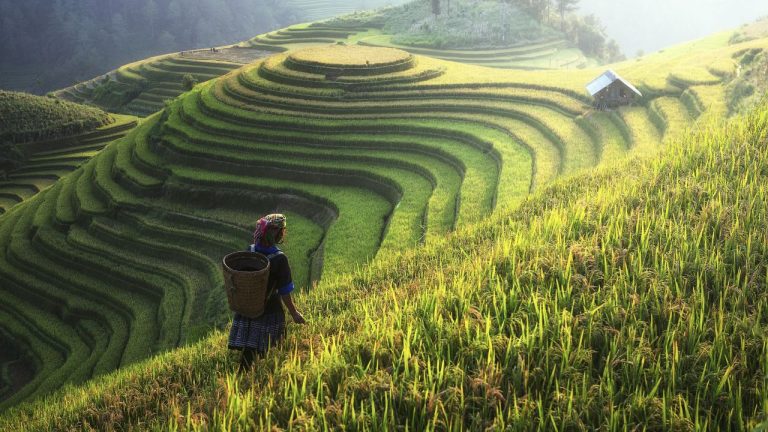
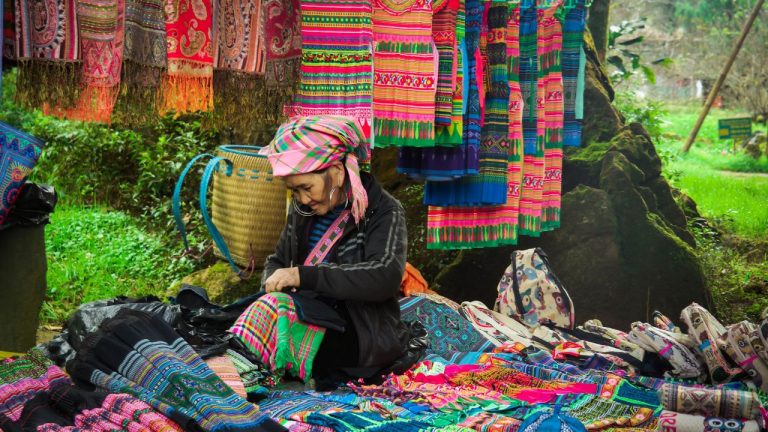
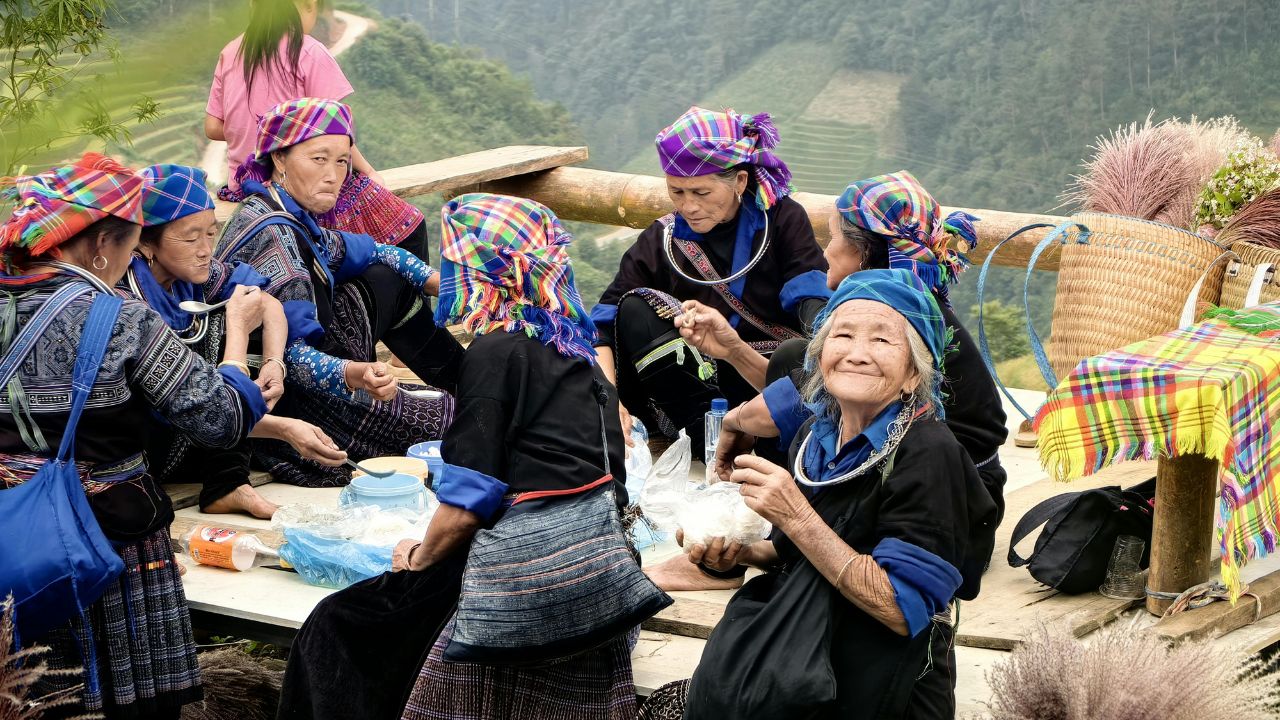
In Sapa, Ha Giang and Pu Luong, homestays are usually wooden houses or stilt houses belonging to Hmong, Dao, Tay, Giay or Thai families. You often sleep on a thin mattress on the floor of a large shared room under the roof, with blankets and a mosquito net. Bathrooms are basic and may be in a separate building a few steps from the house.
Evenings are spent around the kitchen fire or the dinner table, often with a glass of homemade rice or corn wine. In winter, nights can be cold, and rooms are not heated, so bring warm clothes.
Homestays in the Mekong Delta
In the Mekong Delta, homestays are often family homes on river islands, surrounded by fruit gardens. Many have small private rooms with a fan and a mosquito net, and a simple shared bathroom. You arrive by boat or bicycle, help prepare dinner, perhaps elephant ear fish or spring rolls, and spend the evening on the veranda listening to the river.
What to expect: comfort and facilities
- Beds: mattresses, sheets, blankets and mosquito nets are provided.
- Bathrooms: clean but simple, usually shared, with a shower and a Western or squat toilet.
- Hot water: often available, but sometimes limited.
- Electricity: available in most villages; sockets can be few.
- Wifi: sometimes available, often slow. Enjoy the break.
- Meals: home-cooked, generous and usually delicious. Vegetarian meals can be arranged in advance.
A typical evening and morning
You usually arrive in the late afternoon, after a day of walking or cycling. The family welcomes you with tea, and there is time for a shower and a rest before dinner. If you like, you can join the cooking: chopping vegetables, rolling spring rolls or watching how the rice is cooked over the fire.
Dinner is a shared meal, with several dishes placed in the middle of the table and everyone helping themselves. Afterwards, people talk, play cards or simply sit outside under the stars. Villages go to sleep early, often by nine or ten in the evening.
Mornings start early too. Roosters, motorbikes and the sounds of the kitchen are the alarm clock. After a breakfast of noodle soup, pancakes, eggs or sticky rice, you say goodbye, sometimes with a small gift of fruit or tea, and set off on the next stage of your journey.
Food you might eat
Every homestay cooks with what is local and in season. In the mountains, expect rice and corn grown on the terraces, pork, chicken, river fish, bamboo shoots, wild greens and tofu, often grilled or cooked over a wood fire. Sticky rice cooked in bamboo tubes is a favourite in the north.
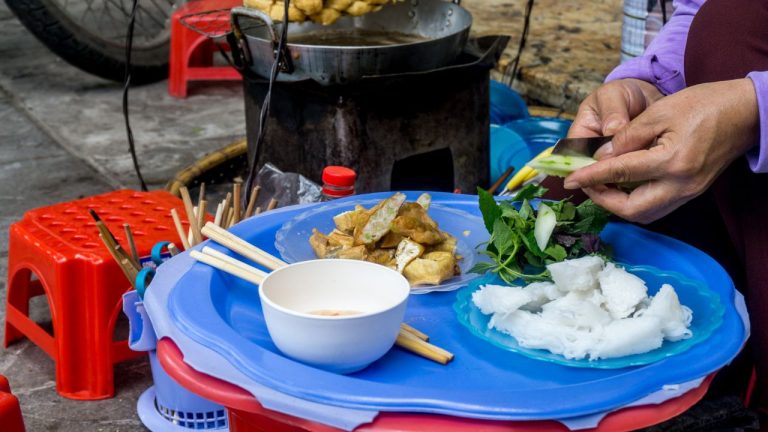
In the Mekong Delta, dishes revolve around the river and the gardens: elephant ear fish, freshwater prawns, sour soup with tamarind, fresh herbs and tropical fruit straight from the trees. Many families make their own rice paper and spring rolls, and are happy to show you how.
Homestay or hotel: which is right for you?
A homestay is perfect if you value connection over comfort, do not mind simple facilities for a night or two and enjoy meeting people. If you need a private bathroom, air-conditioning or complete quiet, a small lodge or hotel nearby may suit you better. Many travellers choose one homestay night in the middle of their trip, between comfortable hotels, to get the best of both.
How to be a good guest
- Take off your shoes before entering the house.
- Greet the oldest members of the family first.
- Accept tea or a small glass of rice wine if offered; a sip is enough, and it is fine to say no politely.
- Wait for the host to invite you to start eating, and try a little of everything.
- Dress modestly, especially in the mountains.
- Ask before taking photos of people, and respect a no.
- Keep your voice down in the evening and early morning.
- Do not leave valuables lying around, and keep the room tidy.
Our tip
Bring a small gift from your home country, such as postcards, local sweets or a picture book. Children love seeing photos of where you live, so have a few on your phone, and a few words of Vietnamese, like xin chào (hello) and cảm ơn (thank you), go a long way.
What to pack for a homestay night
- A small bag with a change of clothes and sleepwear.
- A light towel and basic toiletries.
- Sandals or flip-flops.
- A headlamp or small torch.
- Earplugs, for roosters and early risers.
- A warm layer for cool evenings.
- Insect repellent.
- A power bank.
Why homestays matter
Homestays bring income directly to families in rural areas, where jobs are scarce and young people often move to the cities. The money you spend on a night with a family helps keep villages alive and traditions going. For travellers, it is a chance to see daily life up close, ask questions and share a meal, in a way no hotel can offer.
Frequently Asked Questions
Are homestays in Vietnam safe?
Yes. The homestays we use are family homes in welcoming communities. As anywhere, keep valuables with you and follow your guide’s advice.
Do homestays have private rooms?
Some do, especially in the Mekong Delta. In the northern mountains, sleeping is often in a shared space. Tell us if you need a private room and we will look for the best option.
Can I stay in a homestay if I am vegetarian?
Yes. Let us know in advance, and the family will prepare vegetarian dishes.
Is a homestay suitable for children?
Yes, children usually love homestays, with animals, gardens and other children to play with. A family room or a bungalow is often the most comfortable choice.
Plan Your Trip With Us
Many of our tours include a night with a family in the Mekong Delta, Sapa, Pu Luong or Ha Giang.