In the mountains of northern Vietnam, the weekly market is the heart of village life. Once a week, people walk for hours or ride down from the hills on motorbikes to sell vegetables, buy tools, trade buffalo and horses, catch up with friends and share a bowl of soup and a cup of corn wine. For visitors, these highland markets are among the most colourful and authentic experiences in Vietnam.
This guide covers the famous Bac Ha market and the other weekly markets of Lao Cai and Ha Giang provinces, with tips on when to go, what you will see and how to visit respectfully.
Bac Ha Sunday market
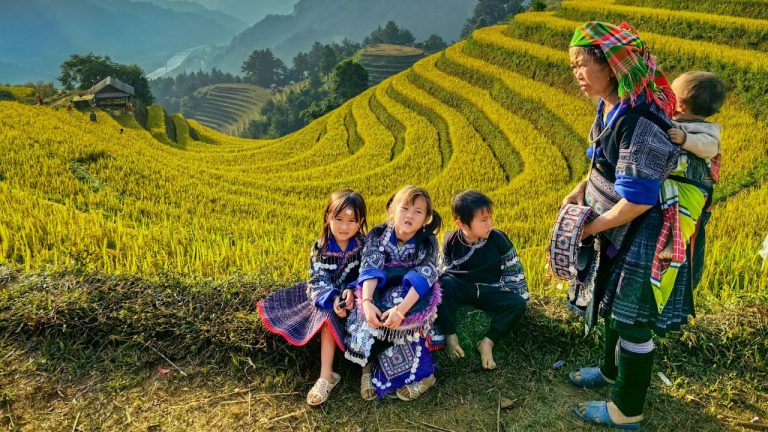
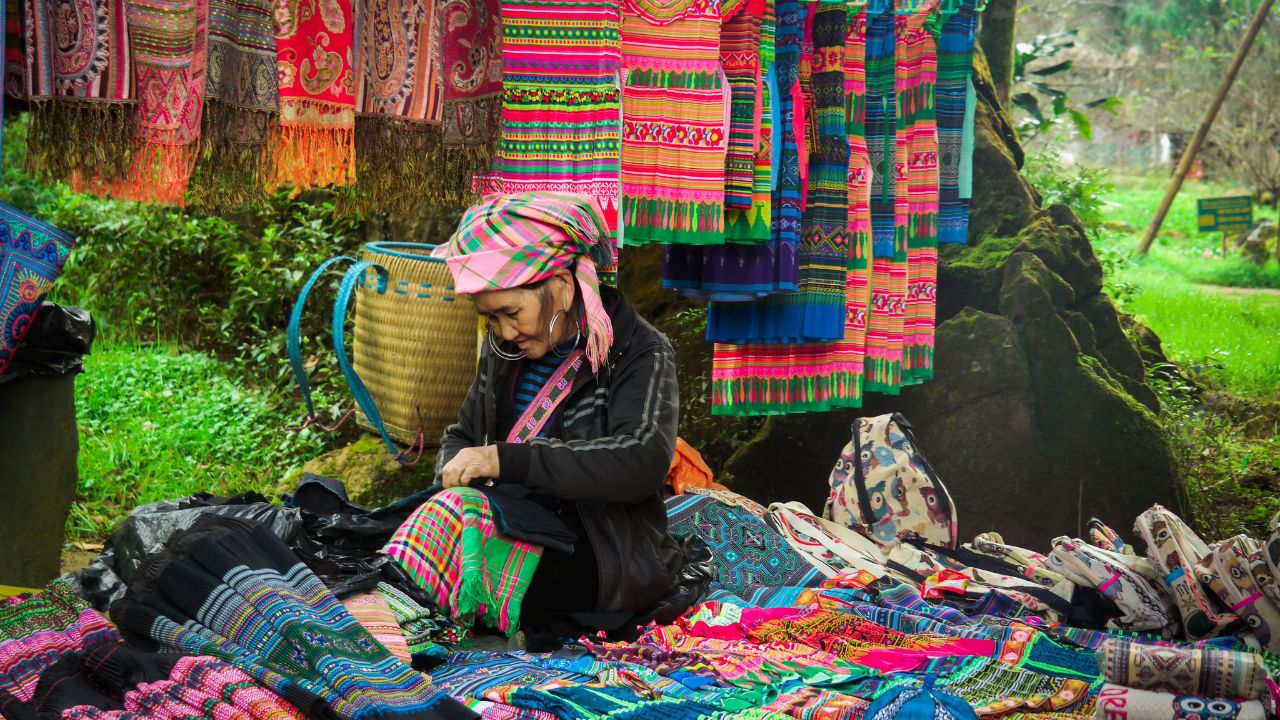
Bac Ha, about two to three hours by road from Sapa, holds the largest and best-known market in the region every Sunday morning. It is famous for the Flower Hmong, whose women wear extraordinarily bright embroidered clothes and headscarves in pink, green, orange and blue. Tay, Nung, Dao and other groups also come to trade.
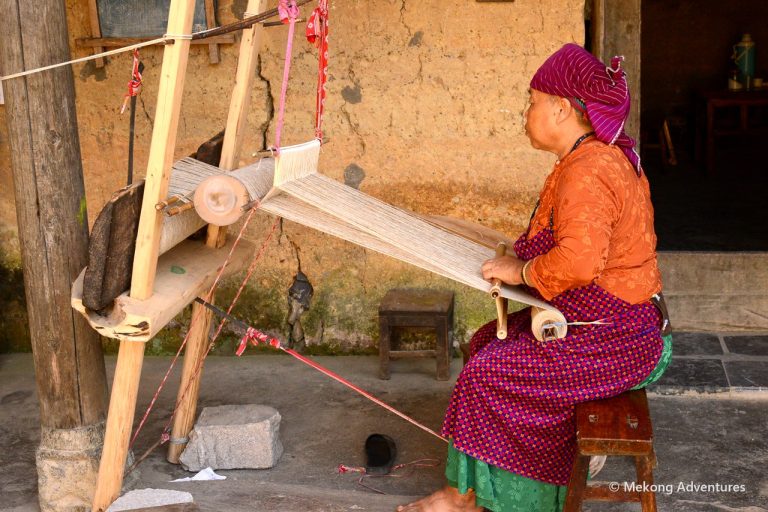
- Textiles and clothing: embroidered skirts, jackets, baby carriers and fabrics, both for local use and for visitors.
- The animal market: on the edge of town, buffalo, horses, pigs, dogs and poultry are traded, with much inspection and bargaining.
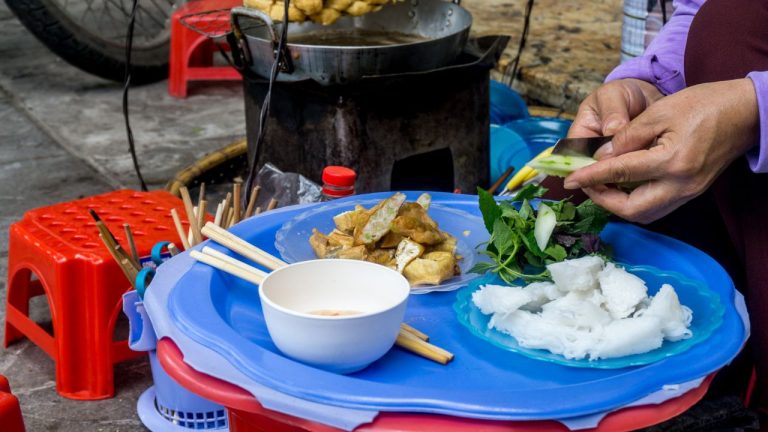
- Food stalls: steaming pots of thang co, a traditional stew, corn and rice wine, grilled meats and sticky rice.
- Everyday goods: tools, seeds, spices, pots, medicines and household goods for mountain families.
Bac Ha has become popular with tour groups, especially late in the morning. Arriving early, around 8 AM, gives a calmer and more authentic experience. Our Sapa and Bac Ha Hill Tribe Trek is timed to visit the market on Sunday.
Can Cau Saturday market
About 20 kilometres north of Bac Ha, close to the Chinese border, Can Cau holds its market on Saturday mornings on a hillside above the valley. It is smaller and much less touristy than Bac Ha, with a strong focus on livestock and local goods, and it is one of the best markets in the north for seeing everyday highland life.
Coc Ly Tuesday market
Coc Ly, on the Chay River south of Bac Ha, holds its market on Tuesdays. It is reached by a winding mountain road and is popular with Flower Hmong and Dao communities. It can be combined with a boat trip on the river.
The markets of Ha Giang
In Ha Giang province, the weekly markets of Dong Van and Meo Vac are held on Sunday mornings, and smaller markets rotate between other villages during the week. Hmong, Lo Lo, Dao, Tay and Giay people come down from the rocky plateau, and the scene, set against limestone mountains, is unforgettable. Our Dong Van Karst Plateau Trek And Sunday Market includes a Sunday market. Read more on our Ha Giang destination page.
Our tip
Plan your route around the markets. In Lao Cai province, Can Cau on Saturday and Bac Ha on Sunday fit perfectly into a weekend from Sapa. In Ha Giang, aim to be in Dong Van or Meo Vac on a Sunday morning.
What to try
- Thang co: a hearty stew traditionally made with horse meat and offal, cooked in huge pans, a market-day favourite among the Hmong.
- Corn wine: strong homemade spirit, tasted from shared bowls; a sip is enough.
- Sticky rice and corn cakes: simple snacks from the stalls.
- Fresh produce: mountain vegetables, wild herbs, mushrooms and seasonal fruit like plums in early summer.
Visiting respectfully
- The market is people’s weekly shopping and social day, not a performance. Walk slowly and do not block stalls.
- Ask before photographing people, especially close-ups, and accept a no.
- If you take many photos of a seller, buy something small.
- Bargain politely for textiles, but remember the hours of handwork in each piece.
- Do not buy wildlife products or items made from protected animals.
Getting there
Bac Ha and Can Cau are best reached from Sapa or Lao Cai with a private car and driver, which lets you arrive early and combine two markets in one weekend. For Ha Giang, markets are part of a journey around the Ha Giang Loop. Read our Sapa destination page for ideas on combining treks and markets.
The peoples of the highland markets
- Flower Hmong: famous for their vivid embroidered clothing in bright pinks, greens and blues, especially around Bac Ha and Can Cau.
- Black Hmong: dressed in indigo-dyed hemp, common around Sapa.
- Red Dao: recognisable by their red headscarves and fine embroidery, known for herbal medicine.
- Tay and Nung: lowland valley peoples who often wear simple indigo clothing and run many of the stalls.
- Lo Lo: a small group in Ha Giang, known for their intricate, colourful patchwork costumes.
Each group has its own language, clothing and traditions, and the market is one of the few places where you can see them together. Your guide can help you understand the differences and introduce you to people.
Photography tips
Markets are busy and colourful, which makes them wonderful but challenging to photograph. Arrive early for softer light, use a short telephoto lens to capture scenes without intruding, and look for details: hands counting money, embroidered sleeves, steam rising from soup pots. Always prioritise people’s comfort over the picture.
What to bring
- Cash in small notes for snacks and purchases.
- Comfortable shoes; markets can be muddy.
- A warm layer in winter, as mornings in the mountains are cold.
- A reusable bag for anything you buy.
Frequently Asked Questions
When is Bac Ha market?
Every Sunday morning. Arrive around 8 AM for the best atmosphere and fewer tour groups.
How far is Bac Ha from Sapa?
About two to three hours by road.
Which is the most authentic market in northern Vietnam?
Smaller markets such as Can Cau on Saturdays and the village markets of Ha Giang feel more local than Bac Ha.
Can I buy textiles at the markets?
Yes. Embroidered textiles, clothing and fabrics are sold at most markets; bargain politely and buy directly from the makers if possible.
Plan Your Trip With Us
Combine a highland market with trekking in Sapa or a journey around Ha Giang, with a local guide.