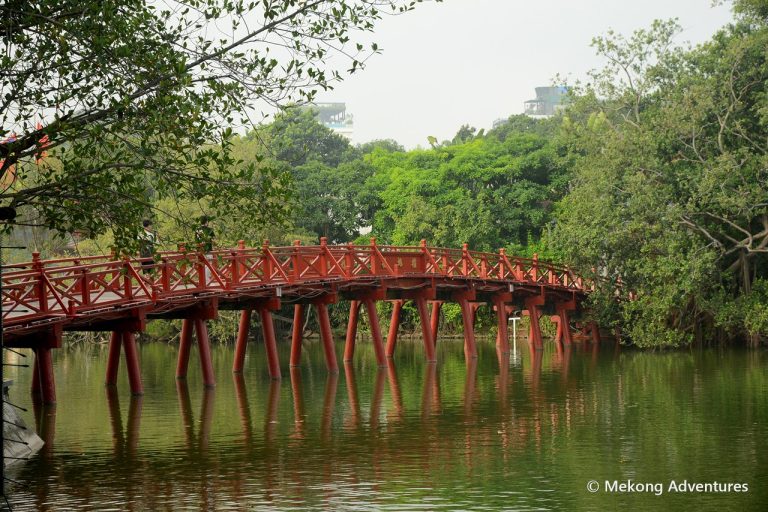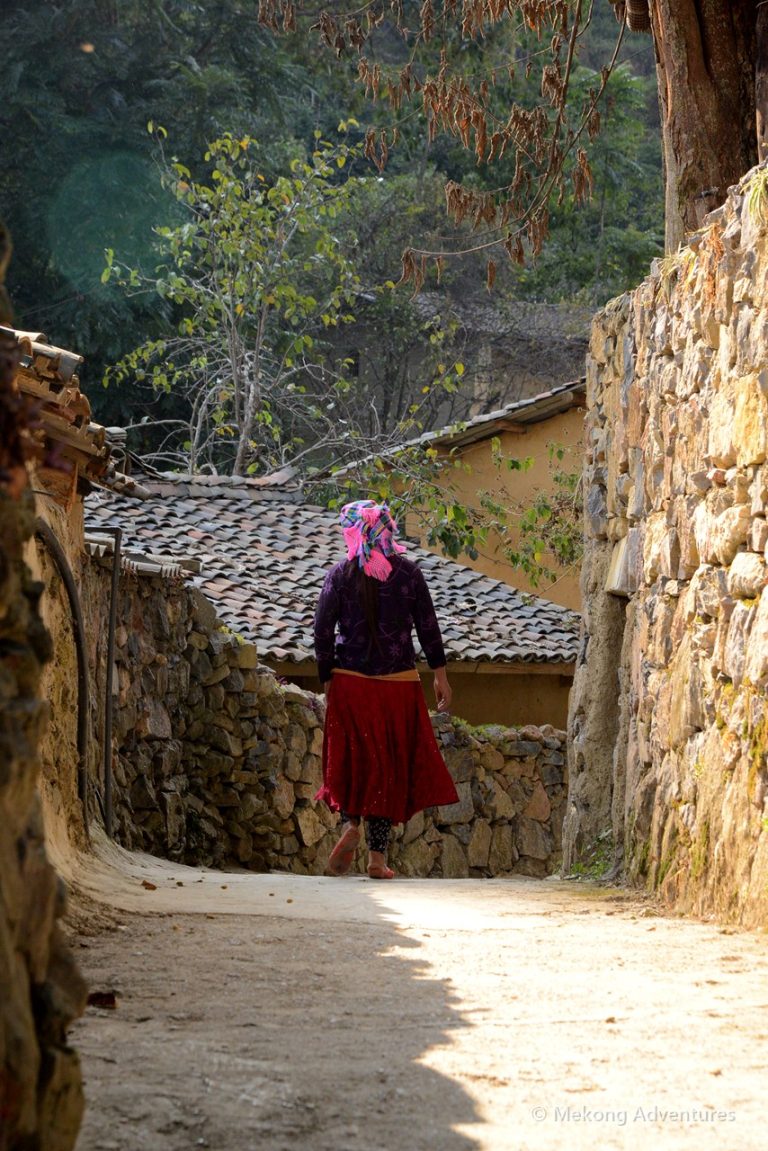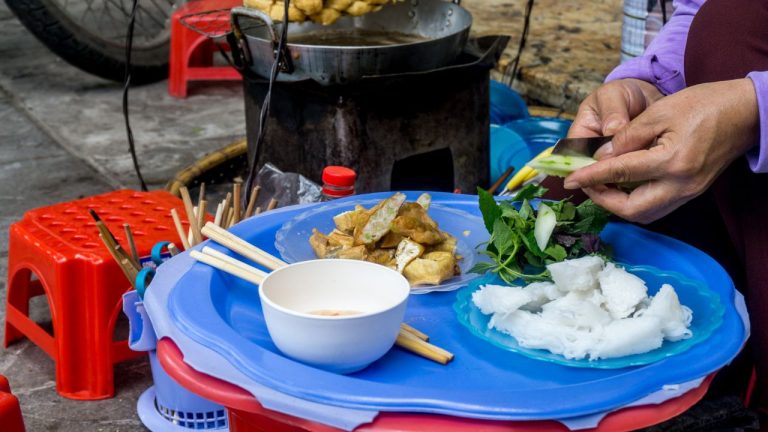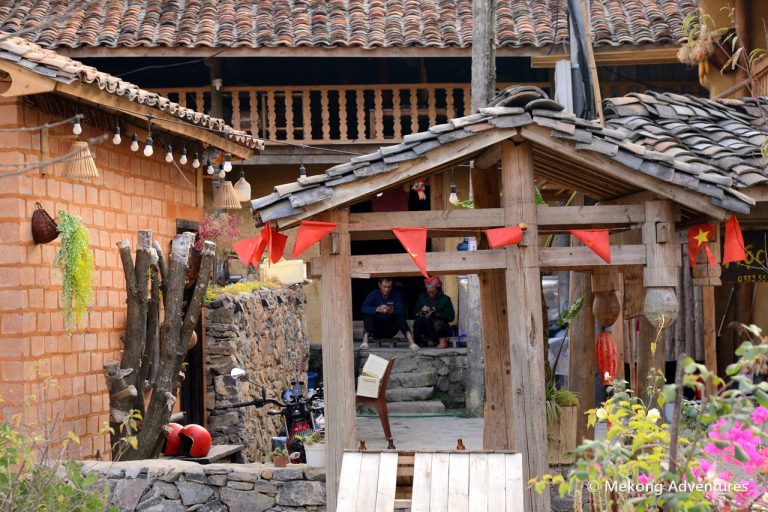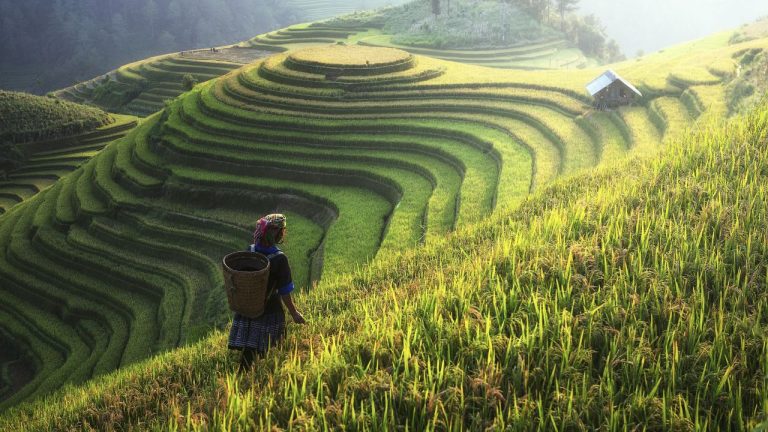
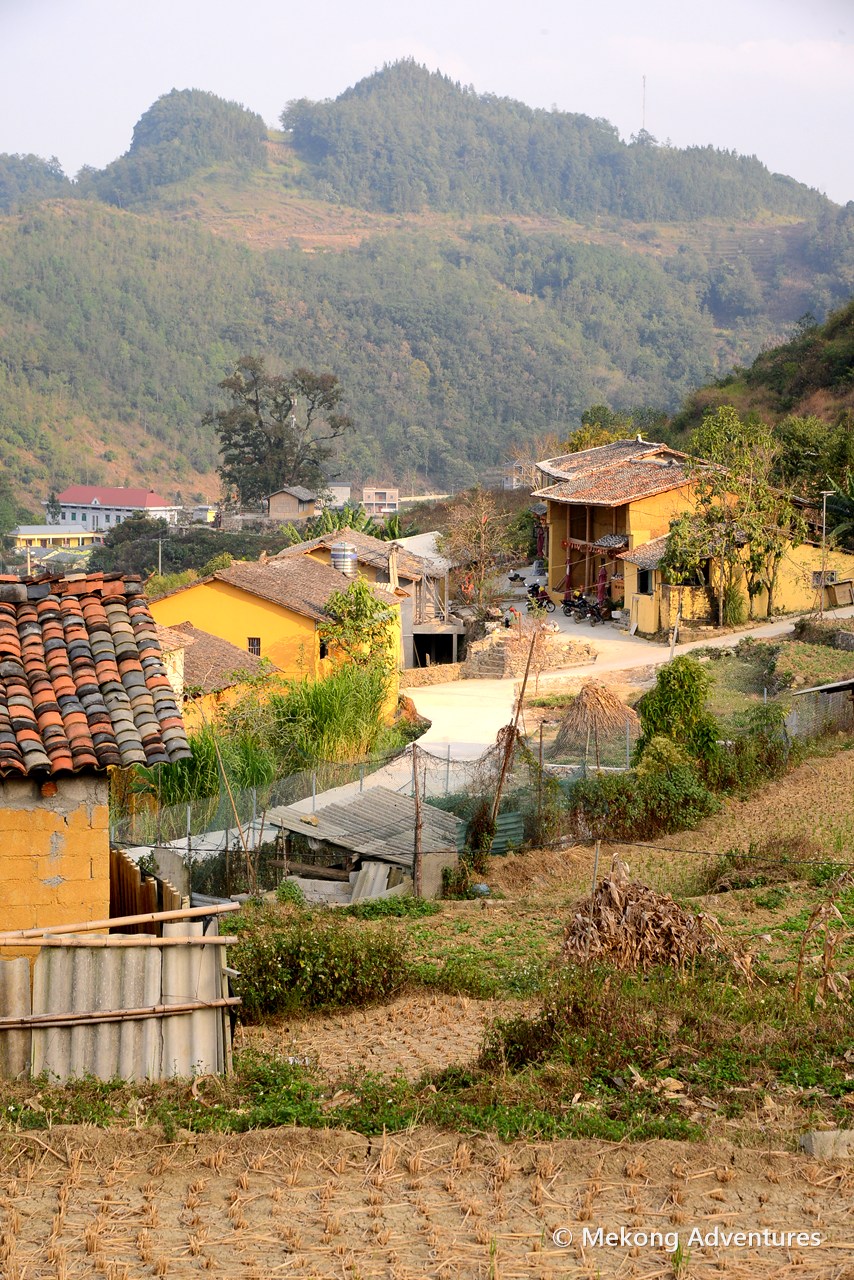
In October 2025, UN Tourism named Lo Lo Chai village one of the world’s Best Tourism Villages. Before that, most people outside Vietnam had never heard of this small village of yellow earthen houses at the foot of Dragon Mountain, just below the Lung Cu Flag Tower and close to the country’s northern tip. Today it is one of the most talked-about stops in the Ha Giang region, and one of the most photographed.
This guide covers where Lo Lo Chai is, who lives there, what to see and do, how to get there and what to expect now that the village is famous. All the photographs were taken in the village by our team.
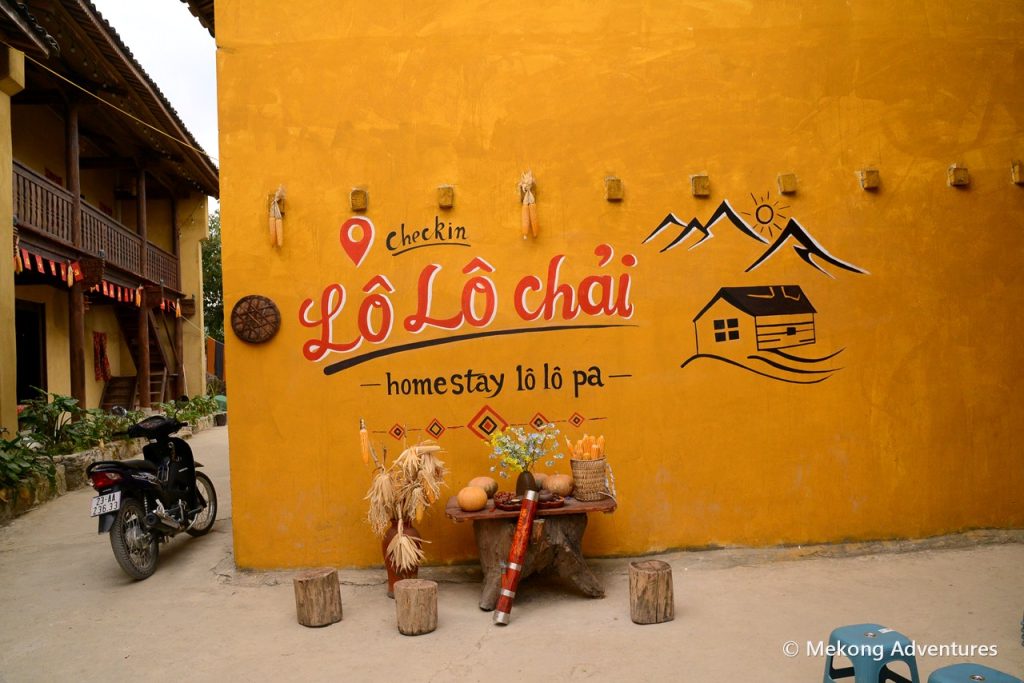
Where Is Lo Lo Chai?
Lo Lo Chai is a hamlet of Lung Cu commune on the Dong Van Karst Plateau, a UNESCO Global Geopark. It sits about 1 to 1.5 kilometres from the Lung Cu Flag Tower, at an altitude reported at around 1,470 metres, and around 150 kilometres north of Ha Giang city.
You may see two sets of addresses. Older guides say Dong Van district, Ha Giang province. Since the 2025 reorganisation, official documents say Lung Cu commune, Tuyen Quang province. It is the same place, and guides and drivers still call the whole region Ha Giang.
Who Lives in Lo Lo Chai?
The village has about 120 households, mostly Lo Lo people with a few Hmong families. The Lo Lo are one of Vietnam’s smallest ethnic groups, numbering fewer than 10,000 people nationwide, and those in Lung Cu belong to the Black Lo Lo branch. Vietnamese reports say the community has lived in this valley for centuries, some say for close to 800 years.
Lo Lo culture is known for its bronze drums, its ancestor ceremonies and its intricate textiles, in which small pieces of coloured cloth are sewn together with fine embroidery.
What Makes the Village Special
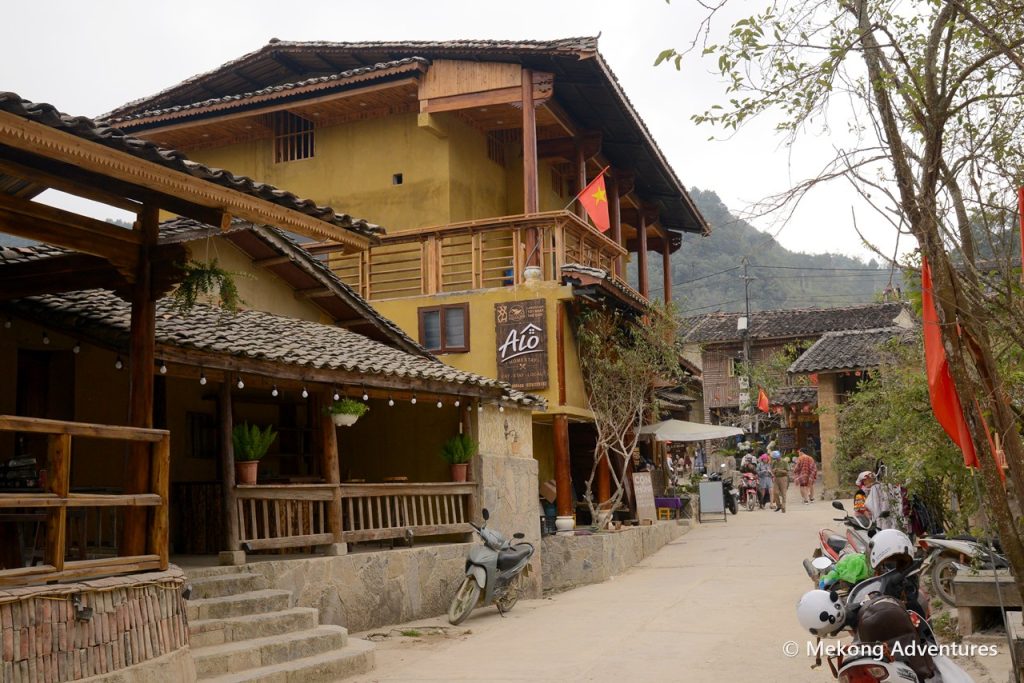
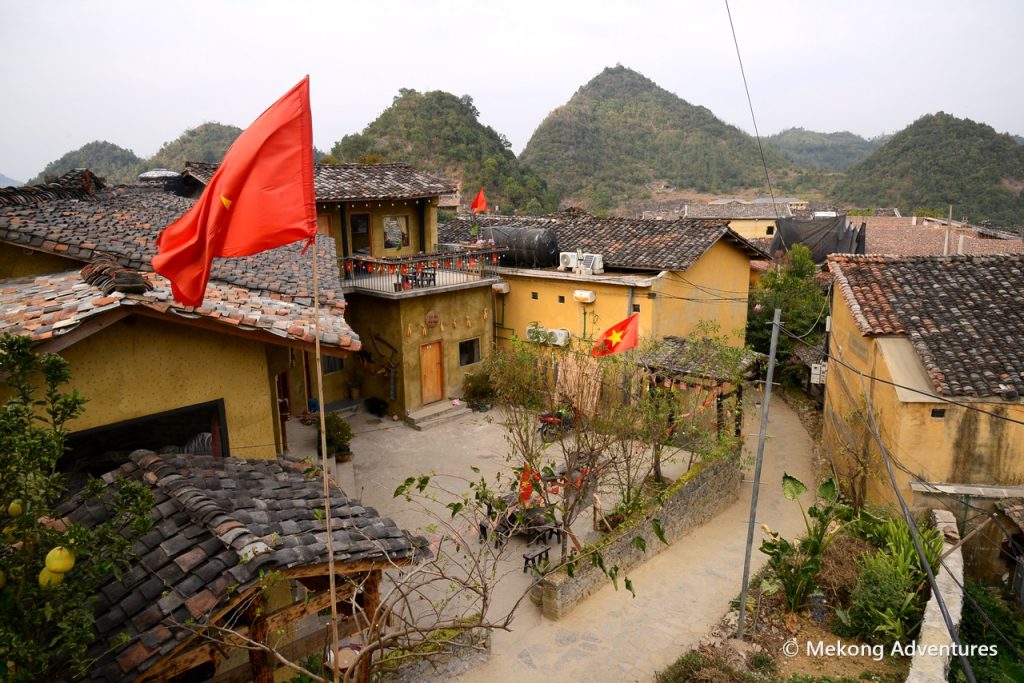
- Rammed-earth houses. Thick yellow earthen walls, curved yin-and-yang clay tiles and dry-stone fences give the village its fairytale look. UN Tourism notes that many houses are over 200 years old.
- A living village. People still farm, raise animals and sew here, and many old houses have been kept as family homes and homestays.
- The setting. Limestone peaks surround the village, and the flag tower rises directly above it.
- Community tourism. Tourism has helped lift many households out of poverty, while livestock pens have been moved away from living areas to keep the lanes clean.
What to See and Do
Walk the stone lanes
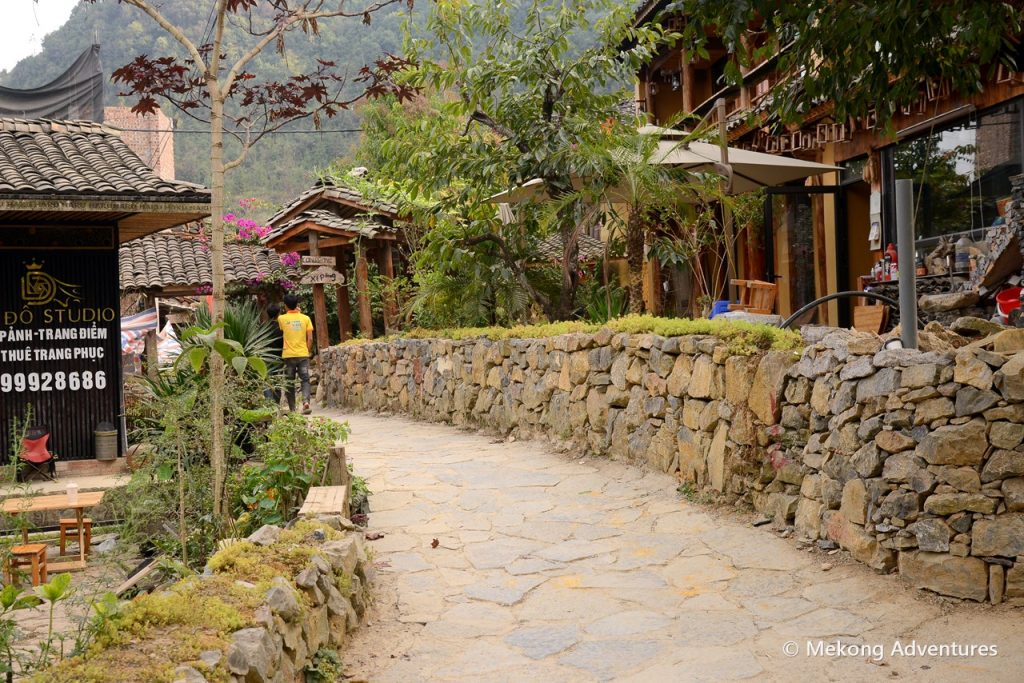
Lo Lo Chai is small enough to explore on foot. Stone-paved lanes run between earth walls and stone fences, past old doors, gardens and small cafes. It is best to walk early in the morning, when the light is soft and the lanes are quiet.
See Lo Lo textiles
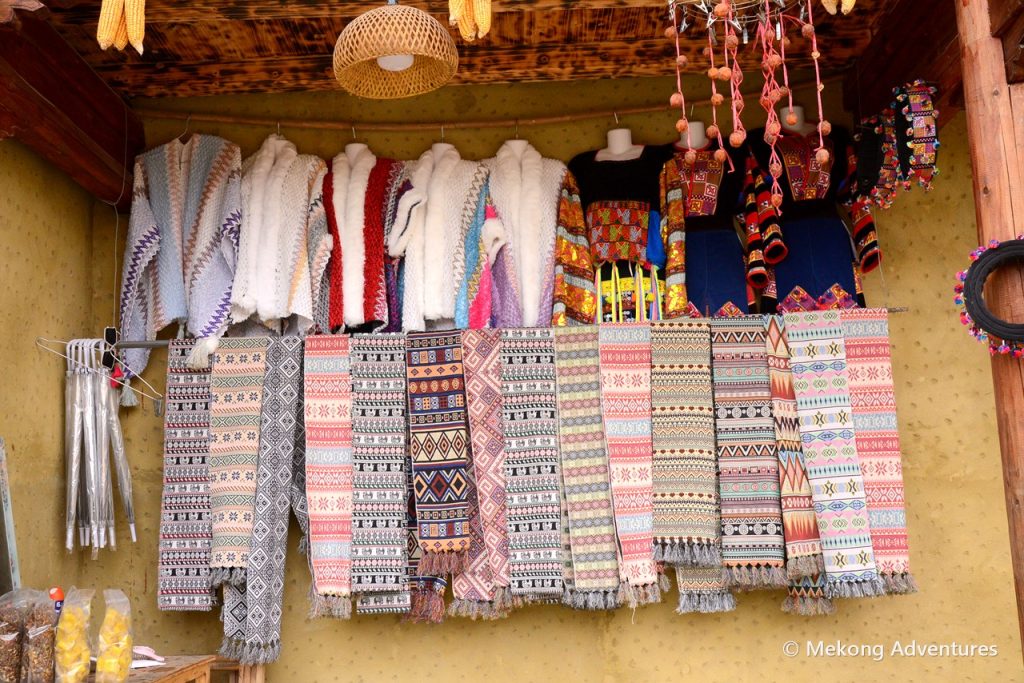
Hand embroidery is central to Lo Lo identity, and you may see women sewing in doorways and courtyards. Small shops sell textiles and clothes. If something catches your eye, ask who made it and buy directly where you can.
Visit the Lung Cu Flag Tower
The tower stands on top of Dragon Mountain, with a 54-square-metre national flag at the summit, one square metre for each of Vietnam’s 54 ethnic groups. The climb is a few hundred steps, and the views over the valley and the village roofs are wonderful.
Attend a cultural evening
UN Tourism’s village profile lists free folk performances at the community cultural house every Friday and Saturday from 8 to 10 pm, with folk songs, bamboo dancing and heritage dances. Schedules can change, so ask your host when you arrive.
Join in village life
Reports on the village mention activities such as weaving linen, planting corn, brewing local spirits and learning embroidery. These are not available every day, and they are usually arranged through a host family or a guide.
How to Get There
From Hanoi, Ha Giang city is about six to seven hours by road. From there the route north runs through Quan Ba, Yen Minh and Dong Van, and most travellers take two days to reach Lung Cu, enjoying the mountain passes on the way. From Dong Van town, Lung Cu is about 25 kilometres further north.
Lung Cu is a detour from the main Ha Giang Loop, and not every itinerary includes it, so check before booking. Our Ha Giang Loop by private car, 3 days and Ha Giang Loop with easy riders, 4 days both visit Lung Cu.
Before you go
Foreign visitors have traditionally needed a border-area permit for this far northern area. Rules change, so check the current requirements with your tour operator or hotel before you travel.
What to Expect Now That It Is Famous
Be prepared: the award brought crowds. Vietnamese media reported that the commune was receiving around 10,000 visitors a week in late 2025, with queues of over an hour at popular photo spots on peak weekends and homestays fully booked. On a weekday morning, however, you can still find the quiet village you came for.
- Come on a weekday if you possibly can, and avoid public holidays.
- Walk the lanes in the early morning or after dark.
- Book your room well in advance, and compare the published price with what you are quoted.
- If the village is full, stay in nearby Then Pa. See Then Pa or Lo Lo Chai? for how the two compare.
Visiting Respectfully
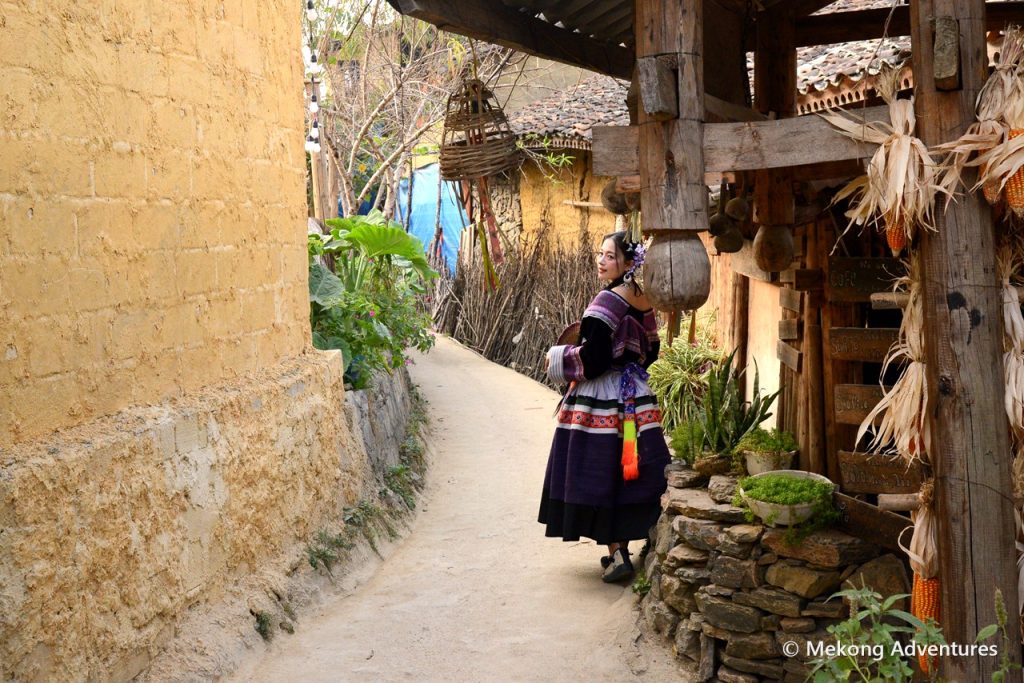
- Ask before photographing people, and respect a no. Some women offer paid costume photos, so agree on this first.
- Do not enter homes, gardens or courtyards unless invited.
- Take your rubbish with you, as the village works hard to keep its lanes clean.
- Do not give sweets or money to children.
Where to Stay in Lo Lo Chai
Lo Lo Chai has dozens of homestays, many of them in restored earthen houses, with rooms ranging from simple shared spaces to comfortable private rooms. Reports in late 2025 counted 62 certified homestays with space for about 1,000 guests a night, and required them to post their prices publicly. Even so, weekends fill up quickly. Book directly where you can, and ask exactly what is included, especially meals and hot water.
Nights on the plateau are cold for much of the year, so check that your room has heavy blankets or heating in the winter months. Dong Van town, about 25 kilometres away, has more hotels if you prefer.
Best Time to Visit Lo Lo Chai
Vietnamese guides recommend late autumn to early spring, when skies are often clear and the air is crisp. At the end of the year, mist often fills the village in the early morning and evening, and pear and peach trees flower around the Lunar New Year. Buckwheat flowers bloom across the plateau in autumn, which is also the busiest season. Summer is green but rainy, and landslides can affect mountain roads, so allow a spare day if you travel at that time.
Frequently Asked Questions
Where is Lo Lo Chai village?
In Lung Cu commune, at the foot of Dragon Mountain, about 1 to 1.5 km from the Lung Cu Flag Tower in the far north of the Ha Giang region.
Why is Lo Lo Chai famous?
For its rammed-earth houses and Lo Lo culture. In October 2025, UN Tourism recognised it as one of the Best Tourism Villages in the world.
Who lives in Lo Lo Chai?
About 120 households, mainly Black Lo Lo people, with a few Hmong families.
How long should I stay?
One night is ideal. It lets you see the village in the early morning and after the day visitors leave.
Is Lo Lo Chai on the Ha Giang Loop?
It is a detour north of Dong Van, and not every itinerary includes it, so check before you book.
Visit Lo Lo Chai With Us
See Lung Cu and the villages of the far north on a private Ha Giang journey with a local guide.