A Lo Lo Chai homestay is the best way to experience this famous earthen village, and on busy weekends it is also the hardest thing to book. Since the village was named a UN Tourism Best Tourism Village in 2025, rooms have sold out days or weeks ahead, and stories of inflated prices have spread online. With a little planning, you can avoid both problems.
This guide explains what a homestay in Lo Lo Chai is really like, what to check before you pay and how to choose the right place. If you are new to the village, start with our complete guide to Lo Lo Chai village.
What Is a Homestay in Lo Lo Chai?
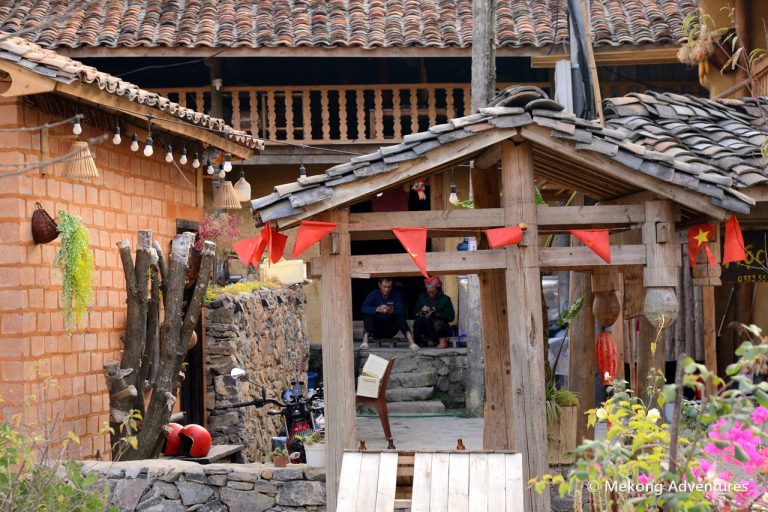
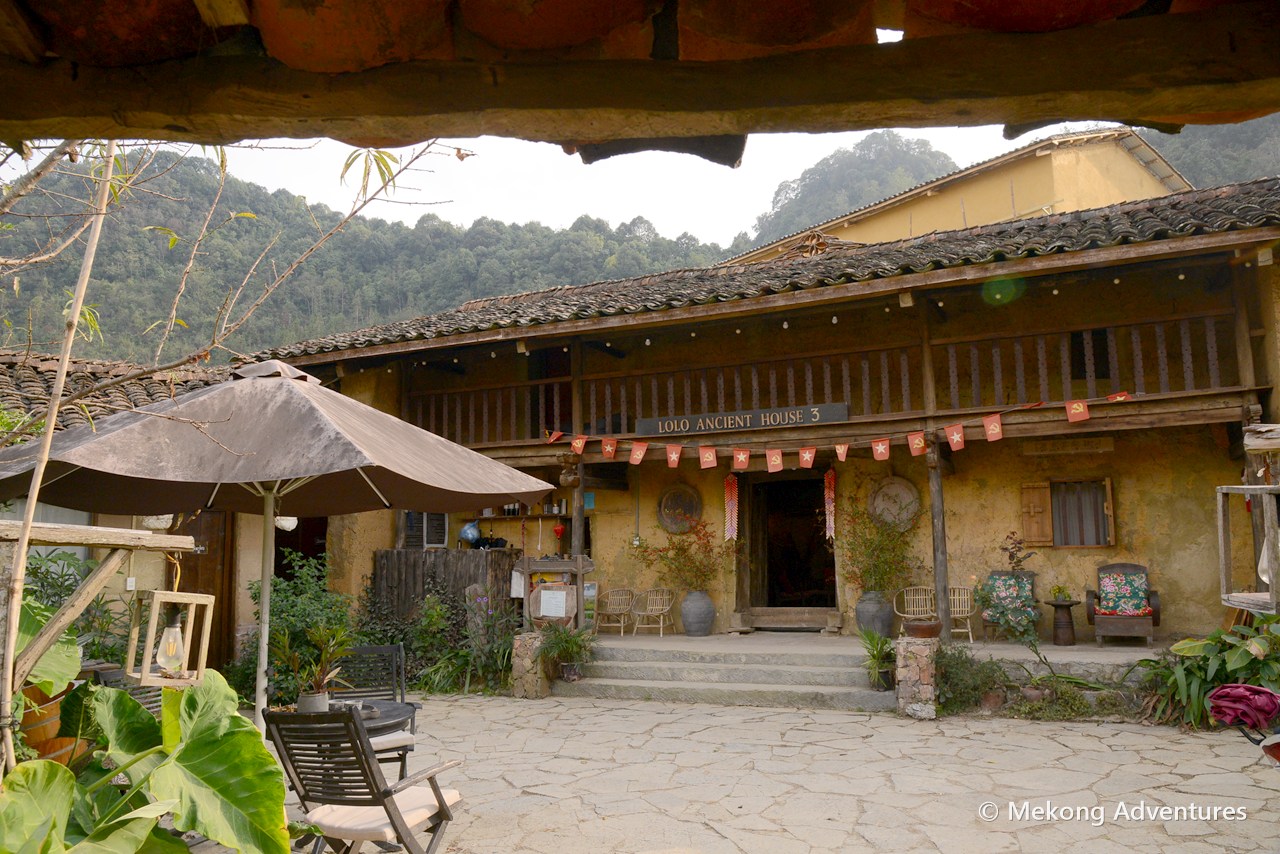
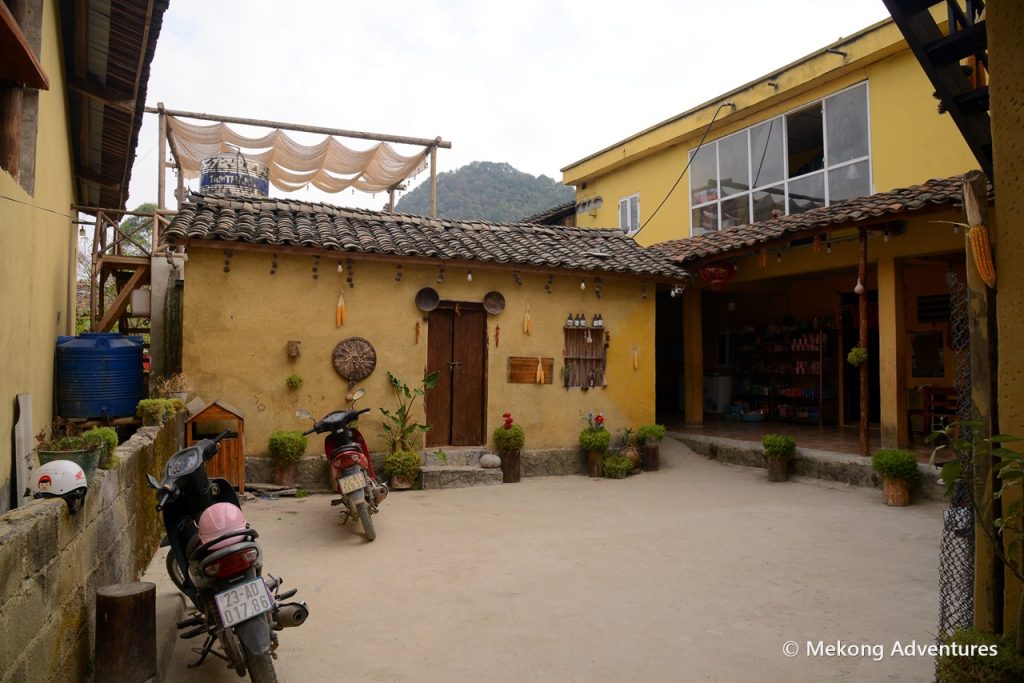
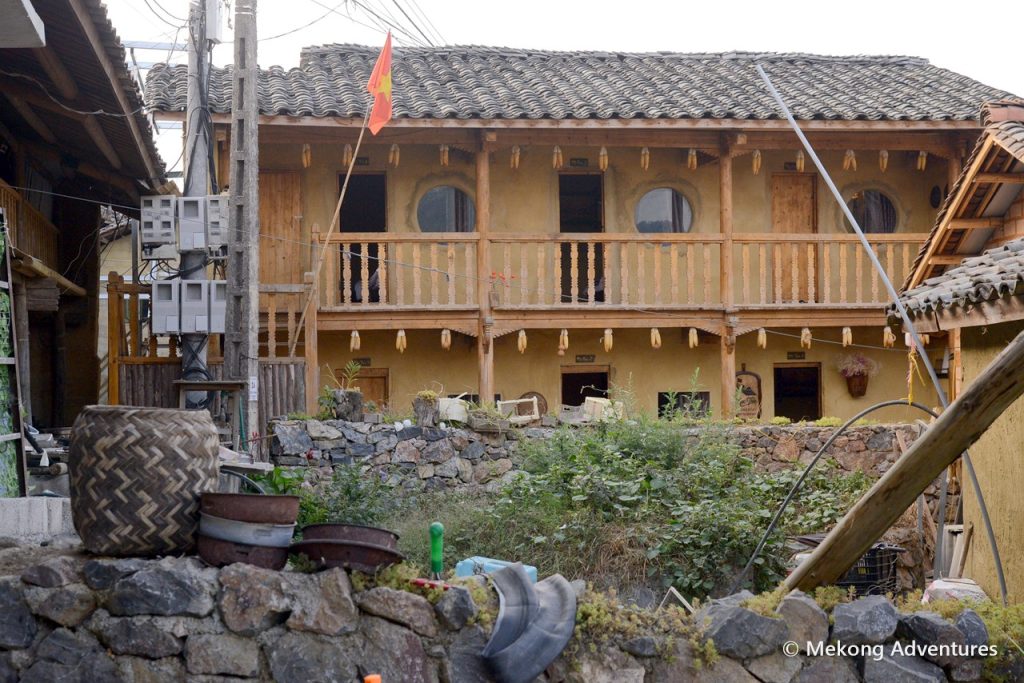
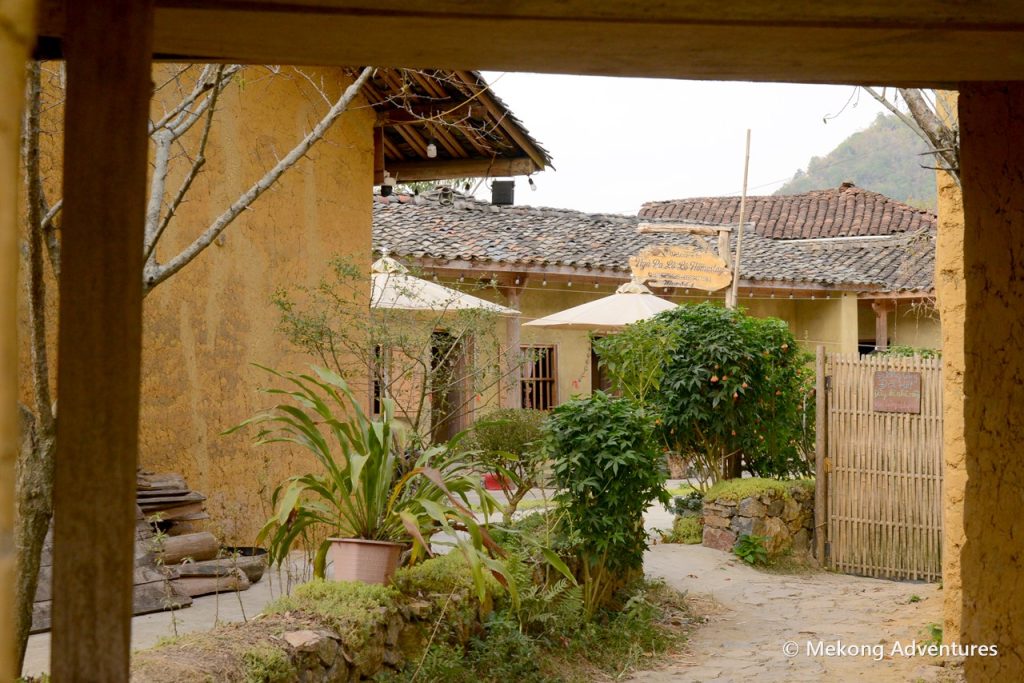
Homestays in Lo Lo Chai vary much more than the word suggests. Some are old rammed-earth family houses where you sleep in a simple shared loft. Others are restored houses with private rooms, en-suite bathrooms and a cafe in the courtyard. A few are newer buildings designed to look traditional. Vietnamese reports in late 2025 counted 62 certified homestays in the village, able to host about 1,000 guests a night.
Some are run by Lo Lo families, while others are managed by outside investors who rent houses from villagers. Both can be pleasant places to stay, but if meeting a local family matters to you, ask before you book.
What to Expect
Rooms and beds
Traditional houses often have shared sleeping spaces with mattresses, thick blankets and curtains or simple partitions. Private rooms are available at many homestays, but are the first to sell out. Because earthen walls and wooden floors carry sound, bring earplugs if you are a light sleeper.
Bathrooms and hot water
Shared bathrooms are common in simpler places. Hot water often depends on the weather and on how many guests are using it, so shower early in the evening.
Heating and cold nights
Thick earthen walls hold warmth well, but nights on the plateau can be very cold, especially from November to February. Ask whether your room has an electric blanket or heater in winter, and bring warm clothes whatever you are told. Our Vietnam packing list can help.
Food
Many homestays offer dinner and breakfast, often at an extra cost. Meals are usually home-style dishes such as vegetables, pork or chicken, and rice or men men, steamed ground corn that is a traditional staple of the plateau. Tell your host in advance if you have dietary needs.
How to Choose a Homestay
- Decide what you value most. A quiet family house, a private bathroom and a lively cafe courtyard are usually not found in the same place.
- Think about location. Places on the main lane are convenient, but busier and noisier on weekends. Places at the edge of the village tend to be calmer.
- Read recent reviews. Look for comments on noise, cleanliness and hot water from the same season as your trip.
- Ask about old and new. If you want an authentic earthen house, ask whether the room you are booking is in the old building or a newer extension.
How to Book and Avoid Overpaying
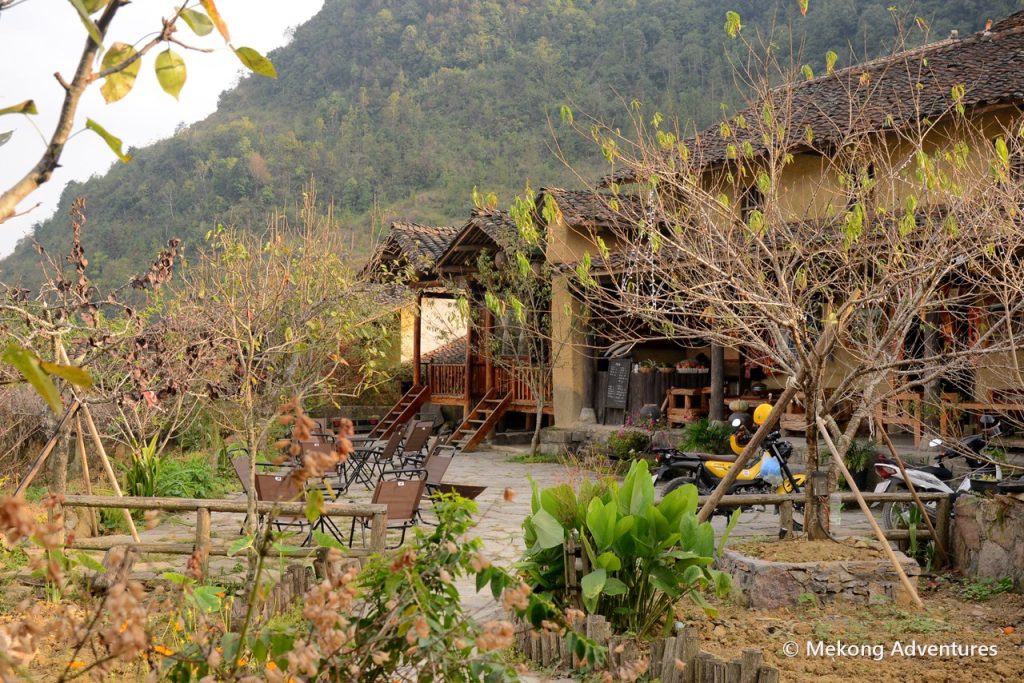
In late 2025, Vietnamese media reported that middlemen were holding rooms and reselling them at up to three or four times the usual price on peak weekends. In response, inspection teams began monitoring prices, and licensed homestays were required to display their rates publicly.
- Book early. For weekends and for October and November, book as far ahead as you can. One traveller reported being unable to find a room even after booking 10 days ahead.
- Book directly where you can. A direct booking or a well-known platform is safer than a middleman contacted through social media.
- Get the price in writing. Confirm the room type, the total price and whether meals are included.
- Be careful with deposits. Pay only to the homestay or a verified account, and keep the confirmation.
- Compare the posted rate. If the price on arrival is different from the published one, ask why.
Note on prices
We do not quote prices here because they change quickly and vary hugely between weekdays and peak weekends. Reports from past years range widely, so always check the current rate directly.
Weekday or Weekend?
If you have any flexibility, stay on a weekday. Rooms are easier to find and prices are more stable, and you get the village largely to yourself in the morning. The trade-off is that the free folk performances listed by UN Tourism take place on Friday and Saturday evenings, so a Sunday-to-Friday stay will miss them. A Thursday or Friday night can be a good compromise.
If Lo Lo Chai Is Full
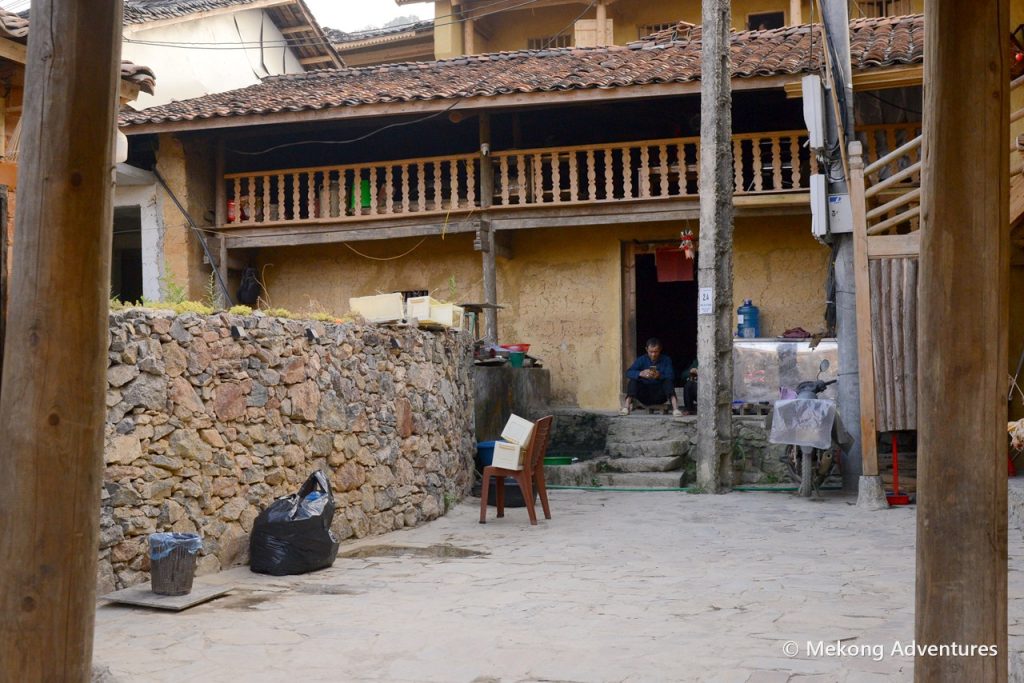
You still have good options. Then Pa village, on the other side of Dragon Mountain, has simple homestays in rammed-earth houses and far fewer visitors, and Vietnamese media have recommended it as an alternative. Dong Van town has a wider range of hotels and is less than an hour’s drive away. We compare the two villages in Then Pa or Lo Lo Chai?.
Being a Good Guest
Even when you are paying for a room, you are often staying in someone’s home or neighbourhood. For general advice, read our guide to staying in a homestay in Vietnam.
- Take your shoes off when asked, and keep your voice down after dark.
- Ask before entering family areas, and before touching or photographing an ancestral altar.
- Use water sparingly, especially in the dry season.
- Sort your rubbish as your host asks. The village takes its clean lanes seriously.
A Typical Evening in a Homestay
Most guests arrive in the afternoon, after a long drive from Dong Van or Yen Minh. Once you have dropped your bags, walk the lanes while the low sun lights up the earthen walls. Dinner is usually served early, and at some places guests eat together in the main room or courtyard. By 9 or 10 pm, most of the village has gone quiet, apart from the cultural evenings at weekends. In the morning, you can be up before the day visitors arrive and walk through the lanes with only the roosters and a few neighbours for company.
If you are travelling with children or older relatives, mention it when you book, since steep stairs and shared bathrooms may be a concern.
Frequently Asked Questions
Are there private rooms in Lo Lo Chai homestays?
Yes, many homestays have private rooms, some with en-suite bathrooms. They sell out first, so book early.
How far in advance should I book?
For weekends, public holidays and October to November, book as early as possible. On other weekdays, a few days to a week ahead is often enough.
How can I avoid being overcharged?
Book directly or through a reliable platform, get the total price in writing and compare it with the rate posted by the homestay.
Do homestays provide meals?
Many offer dinner and breakfast, often at an extra cost. Confirm when you book, particularly in the quieter months.
Is it cold at night?
Often, yes. Nights can be very cold from November to February. Bring warm layers and ask about heating.
Add a Village Night to Your Trip
Tell us what kind of stay you are looking for when you plan your private Ha Giang journey.