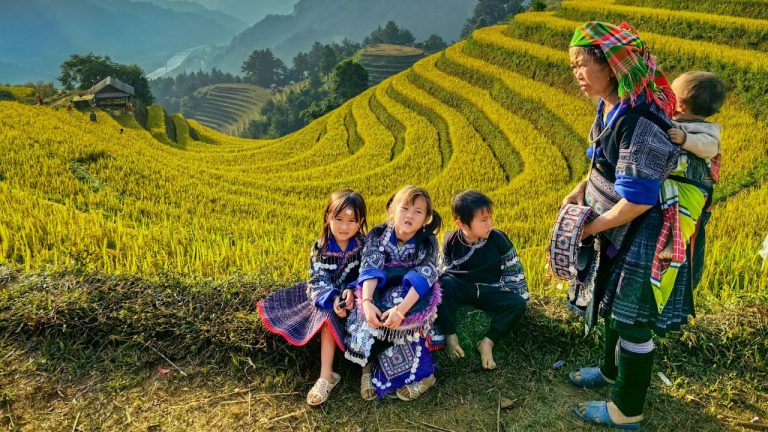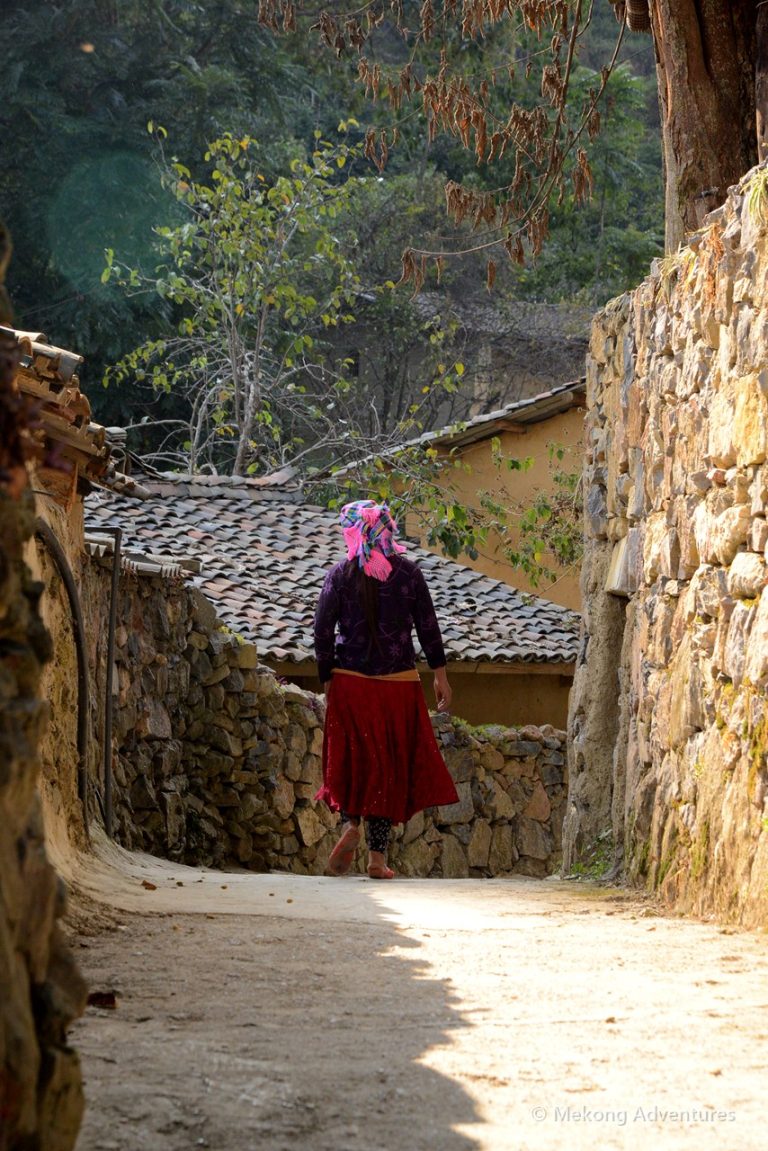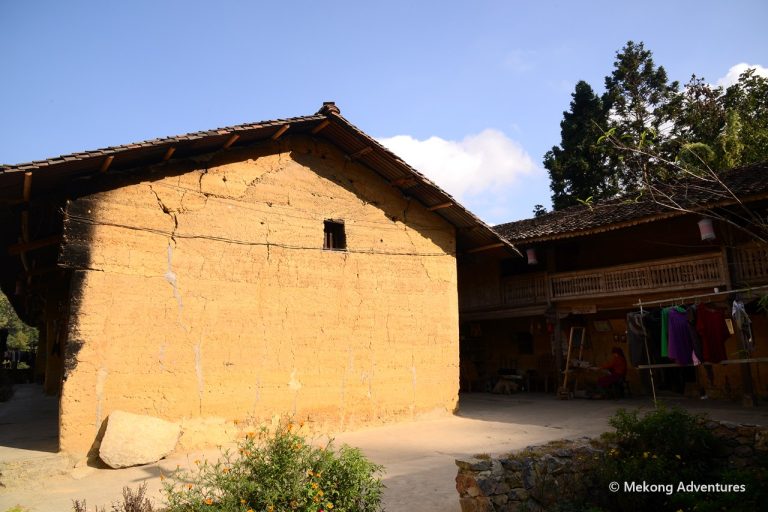
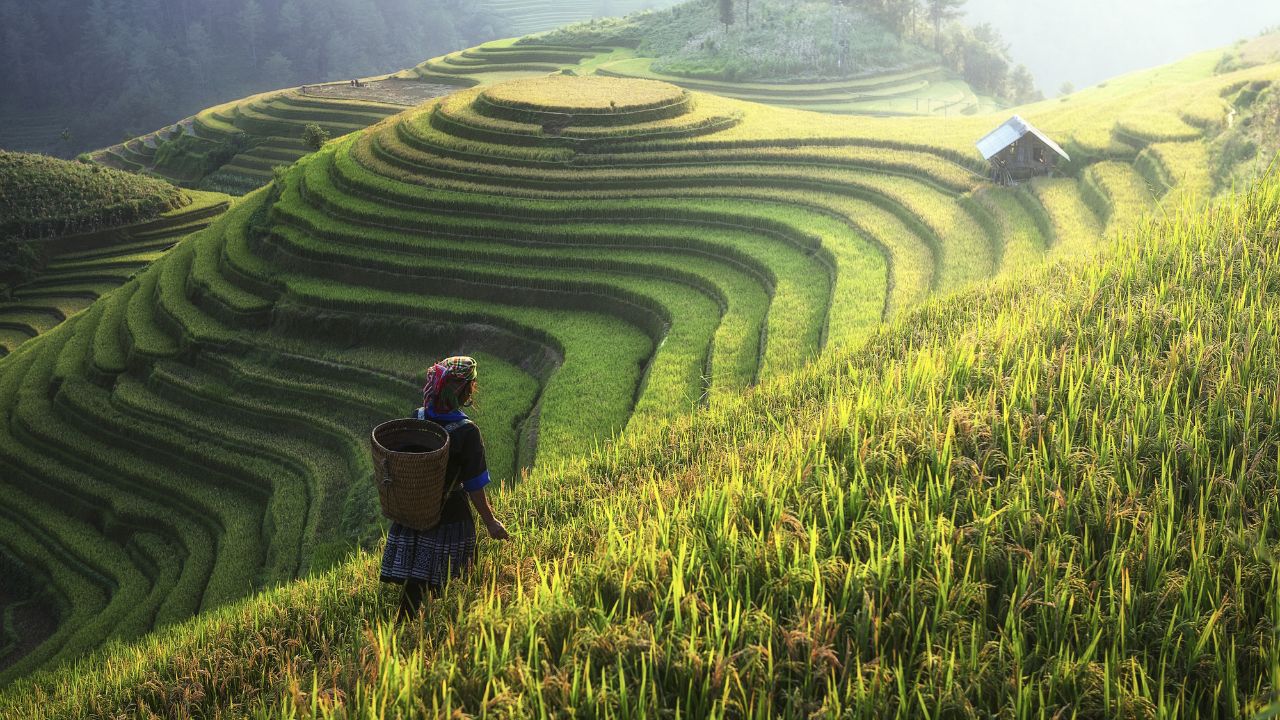
Trekking in northern Vietnam is one of the most rewarding things you can do in the country. In Sapa, Ha Giang and Pu Luong, footpaths wind through rice terraces, bamboo forest and villages of the Hmong, Dao, Tay and Thai people. The walking is not technical, but the trails can be steep, muddy and slippery, and mountain weather changes quickly.
Packing well makes a real difference, especially when you carry your own bag between homestays. This Sapa trekking packing list is based on what our guides and guests have found most useful over many seasons. It also works for Ha Giang, Pu Luong and Mu Cang Chai.
Choose the right bag
On most treks you walk from village to village and carry what you need for one or two nights. A comfortable daypack of 20 to 30 litres with padded shoulder straps and a hip belt is ideal. Leave your main luggage at your hotel in Hanoi or Sapa; most hotels store bags for guests at no charge.
Pack your clothes in a dry bag or plastic bags inside the backpack. Even in the dry season, a sudden shower or a stream crossing can soak everything, and dry clothes in the evening are a real comfort.
Footwear: the most important choice
Good shoes matter more than anything else. The paths are often narrow earth tracks along the edge of rice terraces, with stone steps, roots and mud after rain.
- Light hiking boots or trail shoes with a deep, grippy sole are best for most of the year.
- In the dry season, comfortable trainers with good grip are fine for easier routes.
- Bring sandals or flip-flops for the evening at the homestay and for stream crossings.
- Break in new shoes before the trip to avoid blisters.
Clothing for every season
Spring and autumn (March to May, September to November)
Days are usually mild and pleasant for walking, and nights are cool. Pack light, quick-drying trousers or leggings, a few breathable T-shirts, a long-sleeved shirt for sun protection, a fleece or warm jumper for the evening, and a light rain jacket.
Summer (June to August)
It is warm and humid, with frequent showers. Shorts and quick-drying shirts are comfortable, but bring long, light trousers for leeches and long grass in wetter areas. A good rain jacket or poncho is essential, and a spare pair of socks for each day.
Winter (December to February)
The mountains can be cold, especially at night, and temperatures in Sapa sometimes drop close to freezing. Bring a warm down jacket or thick fleece, thermal base layers, a hat, gloves and warm socks. Homestays have thick blankets, but rooms are not heated.
The complete trekking checklist
- Daypack (20 to 30 litres) and a rain cover or dry bags.
- Hiking boots or trail shoes, plus sandals.
- Quick-drying trousers or leggings; shorts in summer.
- Two or three T-shirts and a long-sleeved shirt.
- Fleece or warm jacket; down jacket in winter.
- Light rain jacket or poncho.
- Socks for each day, underwear and sleepwear.
- Hat, sunglasses and sun cream.
- Insect repellent.
- Small towel and basic toiletries.
- Headlamp or small torch.
- Refillable water bottle.
- Power bank and charging cables.
- Personal medicine, plasters and blister pads.
- Some cash in small notes.
- Passport or a copy, and travel insurance details.
Our tip
Walking poles are a great help on steep, muddy descents, and they take pressure off your knees. Folding poles fit in your luggage easily. If you do not have your own, ask us before the trip and we will see what we can arrange.
What to expect at a village homestay
Homestays in the mountains are simple family homes. You usually sleep on a thin mattress with blankets and a mosquito net, often in a shared room under the roof. Bathrooms are basic and may be in a separate building. Electricity is available in most villages, but sockets can be limited, so charge your phone and power bank when you can. For more, read our guide to staying in a homestay.
Respect and photography
- Dress modestly in the villages: covering shoulders and knees is appreciated.
- Always ask before taking photos of people, especially of children and older women.
- Avoid giving sweets or money to children; a smile, a few words or a small book for the school is better.
- Buy handicrafts directly from the women who make them, and agree a fair price politely.
What not to bring
Leave valuables, large amounts of cash, laptops and anything you would hate to get wet or muddy at your hotel. Heavy cotton jeans are uncomfortable when wet and slow to dry. Drones need special permission in border areas such as Ha Giang, so please ask us before you pack one.
How fit do you need to be?
You do not need to be an athlete to trek in northern Vietnam, but you should be comfortable walking for four to six hours a day on uneven ground, with some steep climbs and descents. Most of our treks are graded easy to moderate, and the guide sets a steady pace with plenty of breaks for photos, tea and conversation.
If you have not walked much recently, a few longer walks in the weeks before your trip, ideally on hills or stairs, will make the first day much more enjoyable. Tell us about any knee or back problems when you book; we can choose gentler routes or shorten a day with a short motorbike or car transfer.
Staying healthy on the trail
- Drink regularly, even when it is cool and cloudy. Dehydration is the most common cause of tiredness on the trail.
- Wear sun cream and a hat: the sun is strong at altitude, even when it feels mild.
- Treat small blisters early with plasters or blister pads before they become painful.
- Eat a good breakfast and carry a few snacks, such as nuts or energy bars, between meals.
- After heavy rain, watch for leeches in the forest; long socks and insect repellent help.
- Take it slowly on wet stone steps and clay paths, and use your hands or poles on the steepest parts.
Bring your own small first aid kit, and tell your guide straight away if you feel unwell, so the route can be shortened or help arranged.
Frequently Asked Questions
Do I need hiking boots for Sapa?
Not always. Light hiking boots or trail shoes with good grip are best, especially in the rainy season, but in dry weather sturdy trainers are fine for easier routes.
How cold does it get in Sapa?
From December to February, nights can drop close to freezing and days are often cool and misty. In summer it is warm, around 20 to 28°C.
Can I leave my luggage in Hanoi while I trek?
Yes. Most hotels in Hanoi and Sapa store luggage for their guests, so you only need to carry a small daypack on the trek.
Is there drinking water on the trek?
Bottled water is sold in most villages, and homestays can boil water for you. Bring a refillable bottle to reduce plastic waste.
Plan Your Trip With Us
Ready to walk the terraces? Explore our treks in Sapa, Ha Giang and Pu Luong, from three days to a week.