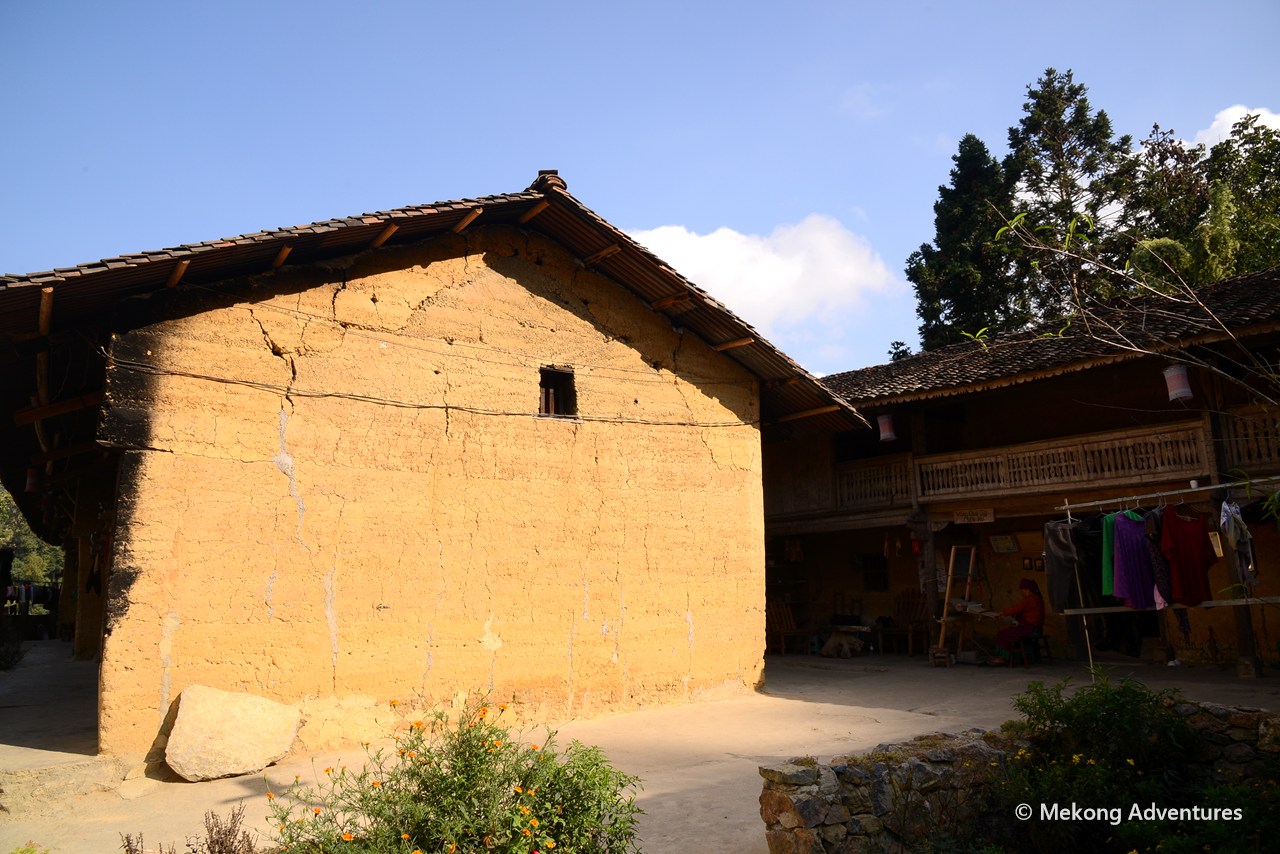
There is no bad time to visit Then Pa, the Hmong village of rammed-earth houses below the Lung Cu Flag Tower. But the village looks and feels very different from one season to the next: pink and white blossom in spring, green corn in summer, golden rice in autumn and thick morning mist in winter. The weather on the Dong Van plateau is also more extreme than in the lowlands, so the season you choose shapes how comfortable your trip will be.
This guide goes through the year season by season, so you can choose the right time for you. If you are new to the village, start with our Then Pa village guide.
Then Pa at a Glance
- Spring (February to April): pear and peach blossom, mild days, cold nights. Lunar New Year falls in late January or February.
- Summer (May to August): green corn fields, lush hills, warm days and the most rain.
- Autumn (September to November): ripening rice, buckwheat flowers on the plateau, clear skies. The most popular season.
- Winter (December to January): morning mist, crisp clear days, very cold nights and few visitors.
Spring: Blossom on the Earthen Walls (February to April)
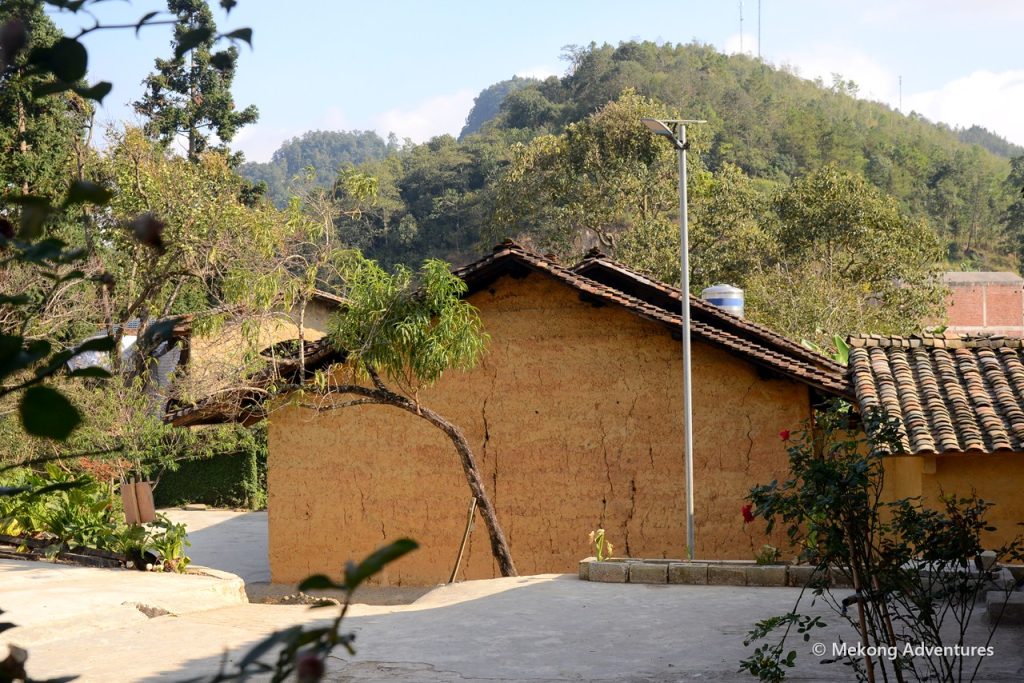
Spring is when Then Pa is at its prettiest. Peach trees flower in pink around the Lunar New Year, and pear trees follow with clouds of white blossom, typically around March. Against the yellow earthen walls and dark roofs, the blossom is beautiful, and it is the season that many Vietnamese photographers come for.
Days are mild and often sunny, but nights are still cold, so pack warm layers. If your trip falls during the Lunar New Year, you may see families in their best traditional clothes, but remember that it is a family holiday: transport is busy and many services close for several days.
Summer: Green Corn and Dragon’s Eye (May to August)
From late spring, corn is planted in every pocket of soil between the rocks, and by early summer the hills around Then Pa turn bright green. This is a good time to see the Dragon’s Eye pond near the village full and clear, with green fields all around.
Summer is also the rainy season in northern Vietnam. Rain usually comes as heavy showers rather than all-day downpours, but it can cause landslides on mountain roads, especially in July and August. Build a spare day into your plans, travel with an experienced driver, and keep your schedule flexible. The upside is fewer visitors and lush, dramatic scenery.
Autumn: Golden Rice and Clear Skies (September to November)
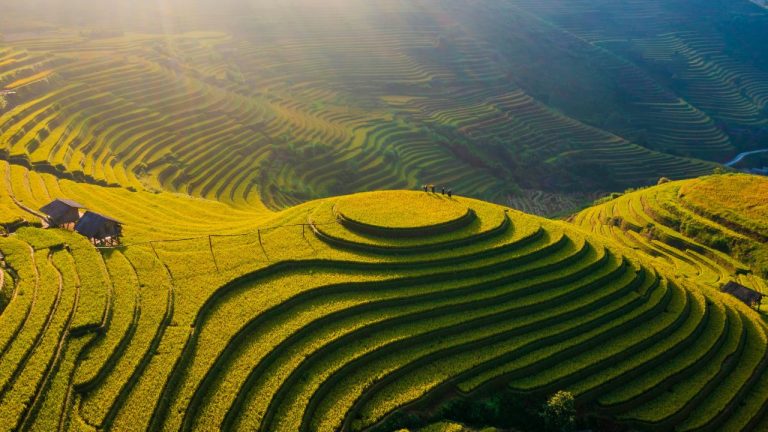
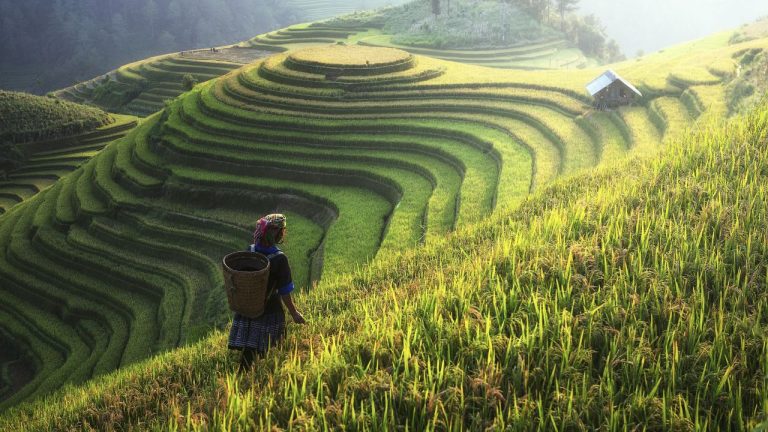
Autumn is the most popular season on the Ha Giang Loop and for good reason. The rains ease, the skies clear and the light is warm. In September and October, the rice terraces in the valleys turn golden before the harvest. From October, fields of buckwheat across the Dong Van plateau burst into pink and white flowers, one of the most famous sights of Ha Giang.
The trade-off is crowds, especially at weekends and around Vietnamese public holidays. Then Pa remains much quieter than the main stops on the loop, but book homestays and transport early, and if you can, travel on weekdays.
Our tip
For the best of autumn without the crowds, aim for a weekday in late October or early November, when the buckwheat is usually in flower and the Vietnamese weekend visitors have gone home.
Winter: Mist and Silence (December to January)
Winter on the Dong Van plateau is cold. Temperatures at night can fall close to freezing, and in some years there is frost on the higher ground. But winter also brings some of the most beautiful mornings of the year: thick mist fills the valleys and hangs over the village roofs, then burns off to clear blue skies by late morning.
Few travellers come at this time, so the village is peaceful, and the earthen houses come into their own: thick walls and a warm hearth make them surprisingly cosy. Bring a down jacket, a hat and warm socks, and expect homestay rooms away from the fire to be cold. See our Vietnam packing list for what to bring.
Best Time of Day
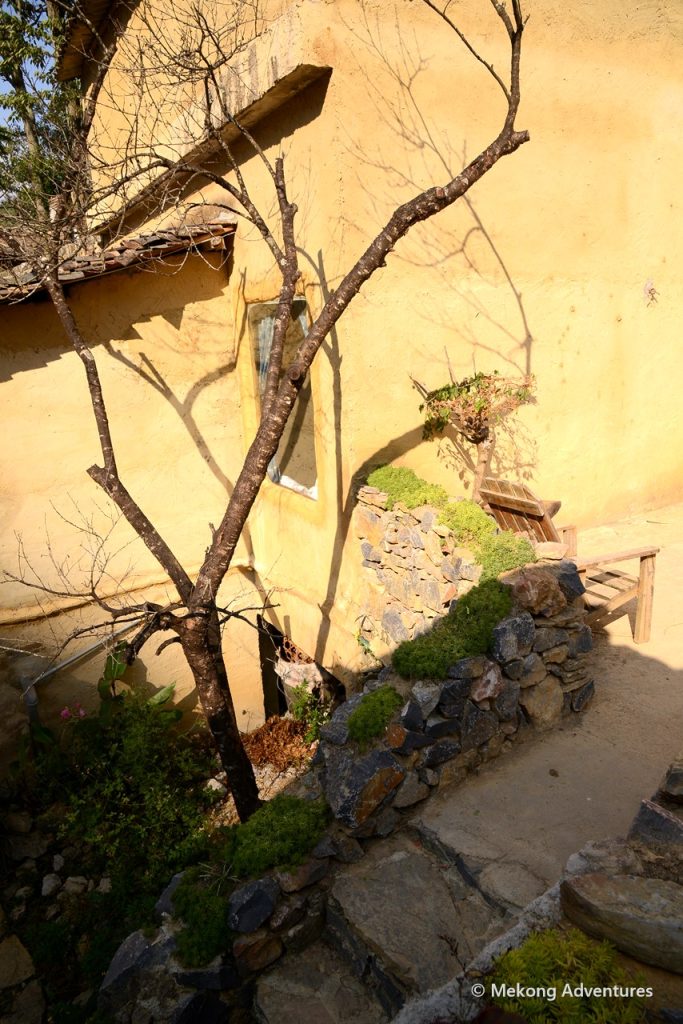
Whatever the season, early morning is the most magical time in Then Pa. The light is soft, smoke rises from the roofs and the village is waking up. Sunrise from the Lung Cu Flag Tower above the village is a highlight, so staying overnight is well worth it. Late afternoon, when the low sun lights up the earthen walls, is the second-best time. Read about what the village looks like through a day in A Slow Day in Then Pa.
So, When Should You Go?
- For blossom and photography: February to March.
- For green landscapes and fewer visitors: May to June, before the heaviest rain.
- For the classic Ha Giang experience: late September to November.
- For mist, silence and cosy homestays: December to January, if you do not mind the cold.
What to Pack for Each Season
- Spring: light layers for the day, a fleece and warm jacket for the evening, and a camera for the blossom.
- Summer: a good rain jacket, quick-drying clothes, sturdy shoes with grip for wet paths, insect repellent and sun cream.
- Autumn: layers, a warm jacket for early mornings and evenings, sunglasses and a hat for the strong mountain sun.
- Winter: a down jacket, thermal layers, a warm hat, gloves and thick socks. Homestays provide heavy blankets, but a sleeping-bag liner adds comfort.
In every season, bring cash, as card payments are not always possible in the villages, and a small torch for paths after dark. Motion-sickness tablets help on the winding mountain roads.
Planning Around Holidays
Vietnamese public holidays bring many domestic travellers to Ha Giang, especially the Lunar New Year in late January or February, the 30 April and 1 May holidays, and National Day on 2 September. Roads, homestays and viewpoints are busier, and prices for transport and rooms can rise. If your dates are flexible, avoid these periods, or book everything well in advance.
Frequently Asked Questions
What is the best month to visit Then Pa?
For most travellers, October and November offer the best balance of clear skies, comfortable days and autumn colour. For blossom, go in February or March.
When do the pear trees flower in Then Pa?
Usually around March, after the peach blossom around the Lunar New Year. Exact timing depends on the weather each year.
Is it too cold to visit in winter?
Days are often sunny and pleasant, but nights can fall close to freezing. With warm clothes, winter is a beautiful and quiet time to visit.
Is the rainy season a problem?
From May to September, heavy showers can cause landslides on mountain roads. Travel with an experienced driver and allow a spare day.
Plan Your Ha Giang Trip in Any Season
Tell us when you want to travel and we will suggest the right route and pace for Ha Giang and Lung Cu.