In October 2025, Lo Lo Chai became a UN Tourism Best Tourism Village, chosen as one of 52 winners from 270 applications across 65 countries. For a small earthen village in the far north of Vietnam, it was an extraordinary moment. Only a couple of decades earlier, Lo Lo Chai was remote and poor, known mainly to people passing on their way to the Lung Cu Flag Tower.
How did this happen? And what has the title changed? This article tells the story of the award, what the village did to earn it and the challenges it faces today. For practical information, see our complete guide to Lo Lo Chai village.
What Is the Best Tourism Villages Award?
Best Tourism Villages is a programme run by UN Tourism, the United Nations agency for tourism. It recognises rural villages that use tourism to protect their culture, landscapes and communities, and to create local jobs. At the 2025 ceremony, held on 17 October in Huzhou, China, Lo Lo Chai was recognised alongside Quynh Son in Lang Son province.
Vietnam now has five villages on the list: Thai Hai, Tan Hoa, Tra Que, Lo Lo Chai and Quynh Son. You can read the official profile on the UN Tourism website.
From a Remote Village to a Tourism Model
Lo Lo Chai’s tourism story began modestly. According to Vietnamese reports, the first homestay opened around 2008 in the family home of the village head, and tourism grew more seriously from around 2011. Local authorities supported households that wanted to convert their homes, with grants and low-interest loans.
The results were striking. One report describes the number of poor households falling from 70 to 16 as tourism income grew. Later figures record 56 households working in tourism out of about 120, and 28 of the village’s 37 old houses in use as homestays. These numbers come from different dates, so treat them as a picture of the trend rather than an exact count.
What the Village Did Right
Keeping the old houses
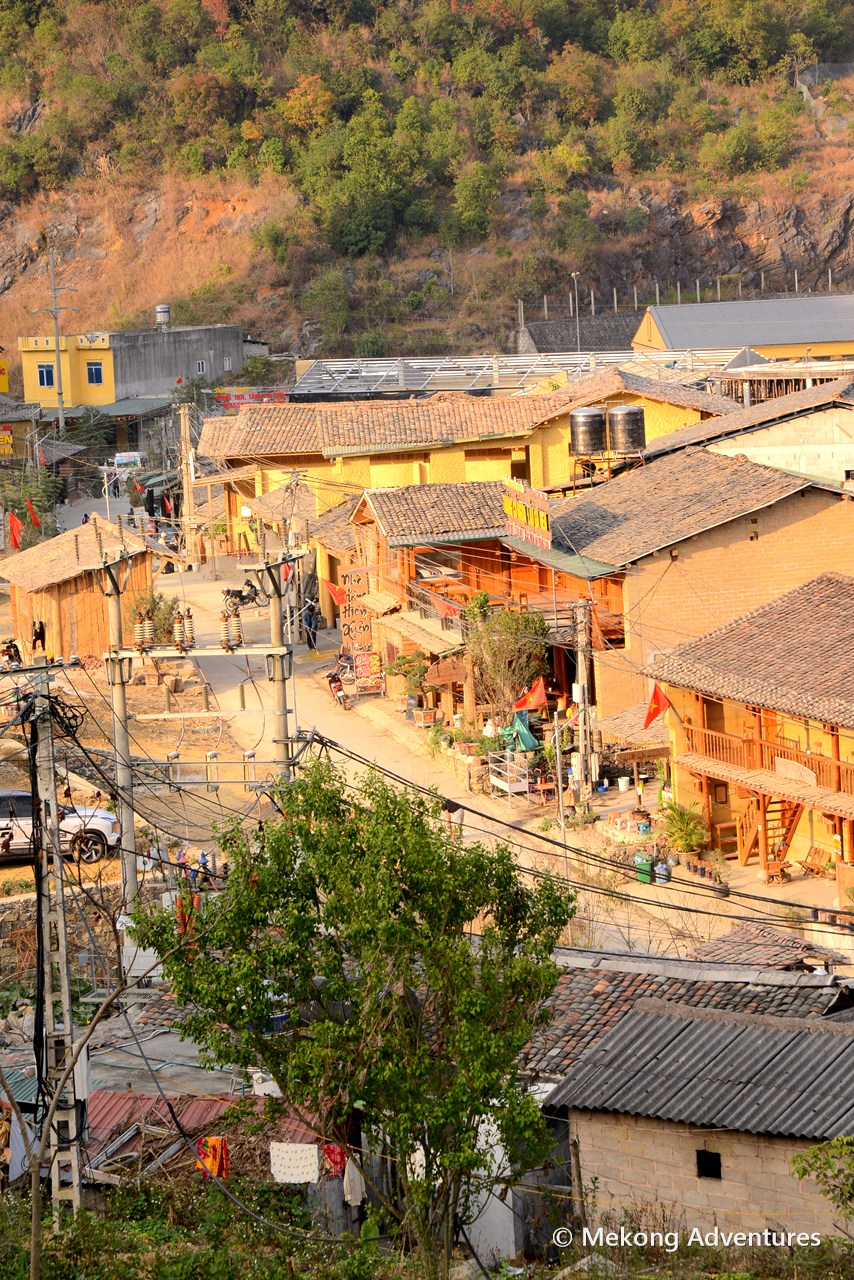
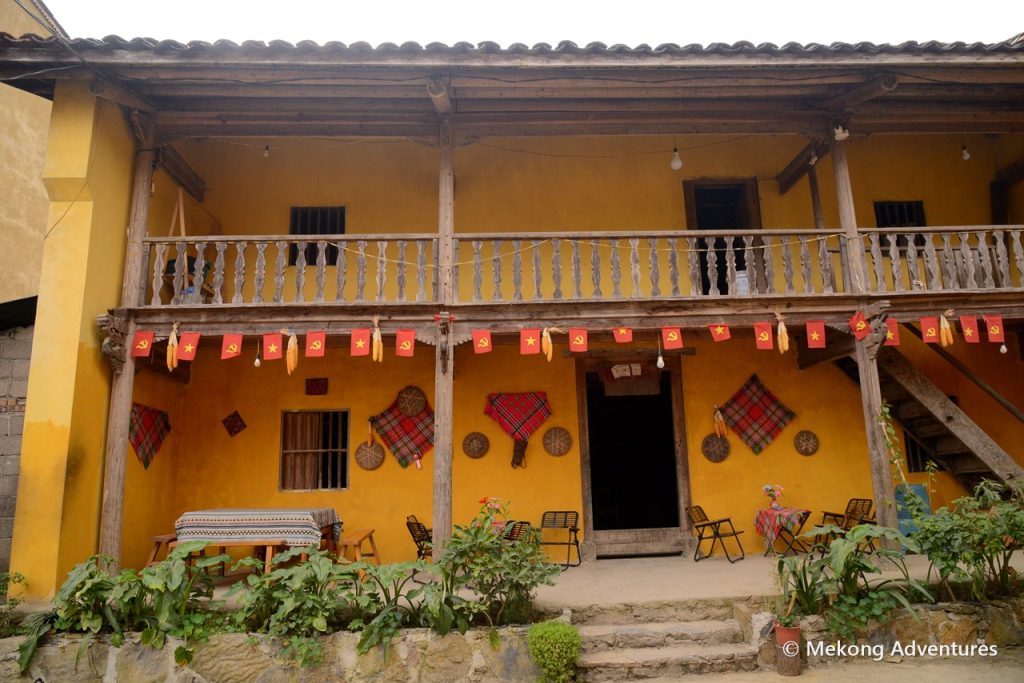
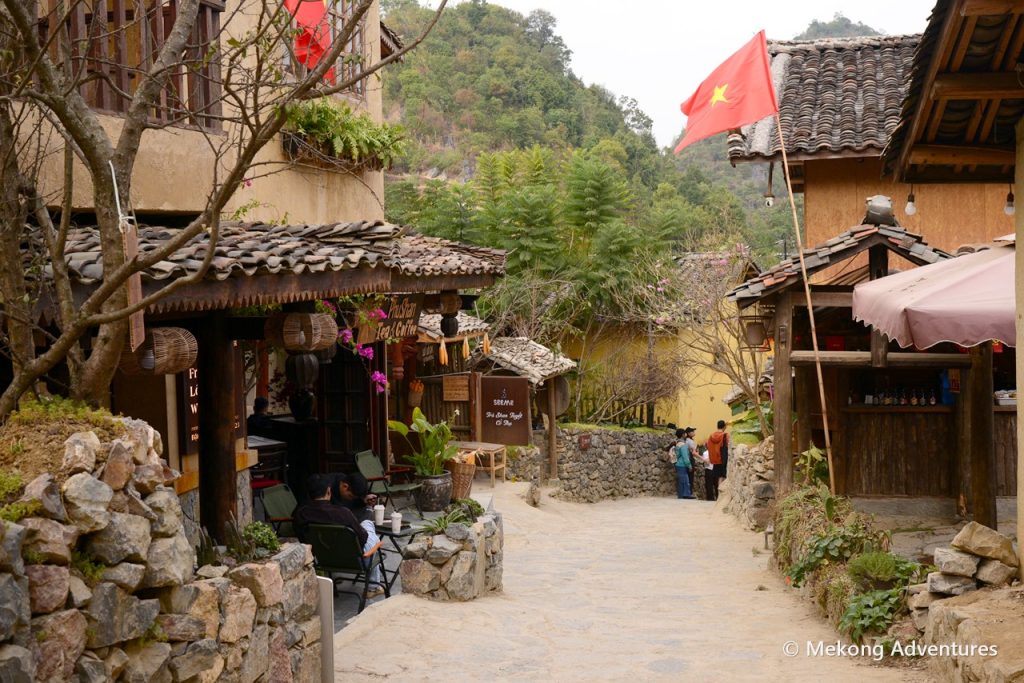
Across northern Vietnam, concrete houses are replacing traditional homes. Lo Lo Chai went the other way, keeping its rammed-earth walls, yin-and-yang tile roofs and stone fences. UN Tourism describes old houses over 200 years old being preserved as open exhibition spaces, part of what it calls a “living museum” model.
Moving the animals
In many highland villages, cattle and pigs traditionally live right next to the house. In Lo Lo Chai, livestock areas were moved away from residential zones, making the lanes cleaner and freeing up space. It was a practical step, but one with a big impact on how the village looks and smells.
Community rules
Village leaders have reported shared rules on waste sorting and keeping the lanes clean, along with security cameras at homestays and at junctions. Visitors often comment on how tidy the village is compared with other mountain destinations.
Sharing culture, not just rooms
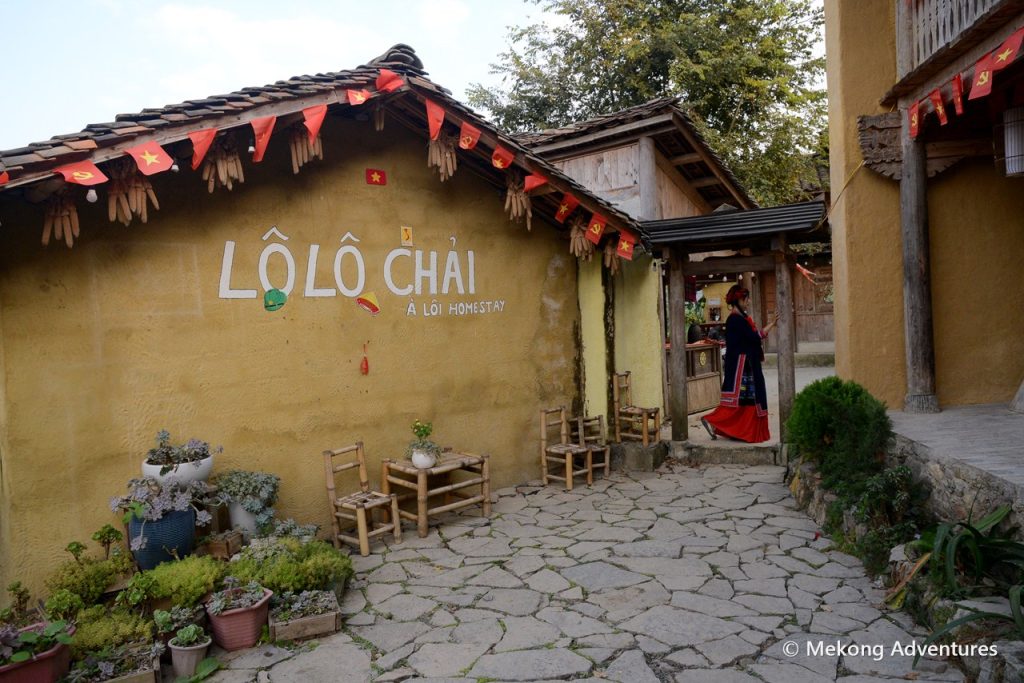
Tourism here is built around Lo Lo culture. UN Tourism’s profile lists embroidery and weaving workshops and free folk performances on Friday and Saturday evenings. In 2026, a project led by lecturers from RMIT Vietnam worked with about 30 local embroiderers to turn traditional skills into new products and hands-on visitor experiences.
What the Award Changed
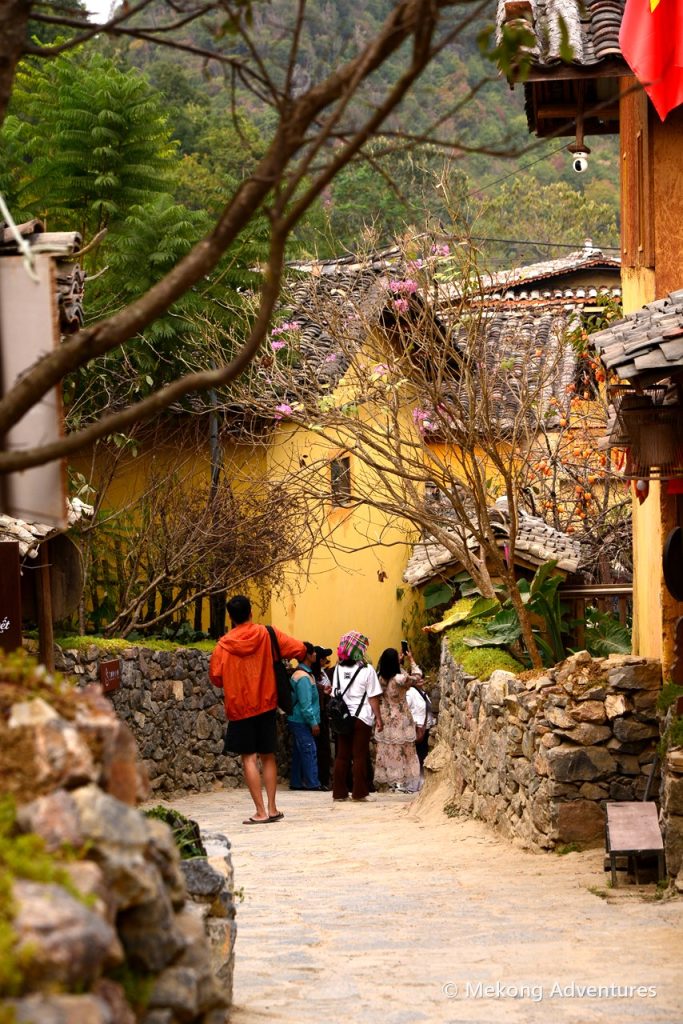
The award brought an immediate surge in visitors. Vietnamese media reported around 10,000 visitors a week to Lung Cu commune in late 2025, sometimes up to 15,000, helped by the buckwheat flower season. On the weekend of 22–23 November 2025, the lanes were packed, with queues of more than an hour at popular photo spots. A guide quoted in the report said that weekends were busier than the Lunar New Year.
The Challenges of Being the Best
- Rooms and prices. Reports described middlemen hoarding rooms at peak times and raising prices three to four times. Authorities responded with inspections and required licensed homestays to post their rates.
- Who benefits. Some travel writers point out that a number of homestays are now run by outside investors rather than Lo Lo families, so tourism income does not always stay in the village.
- New construction. In July 2026, officials said they were tightening construction rules to protect the landscape and cultural identity of the village.
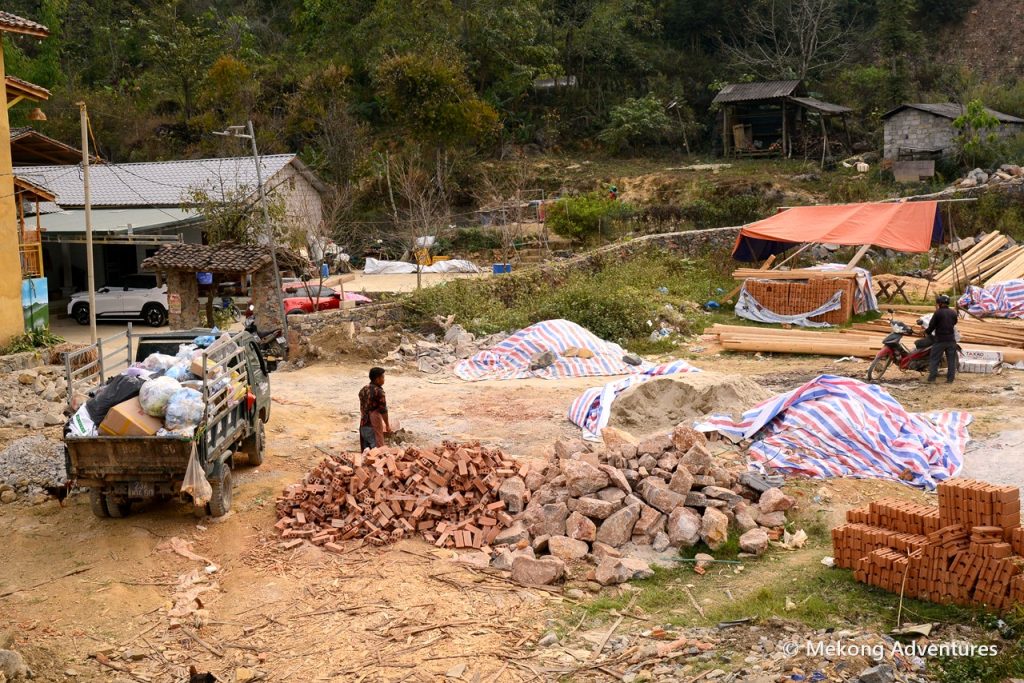
- Hygiene and waste. Keeping the village clean is much harder when thousands of people arrive in a single weekend.
How Travellers Can Help
Lo Lo Chai’s future depends in part on the kind of visitors it attracts. A few small choices make a real difference to the village.
- Come midweek. Weekday visitors put less pressure on the village and get a much better experience.
- Stay overnight. Overnight guests spend more locally than day trippers and leave a lighter footprint at peak hours.
- Choose locally run places. Ask who owns your homestay, and eat in family-run kitchens.
- Buy textiles from the people who make them. Embroidery takes a long time, so a fair price is well deserved.
- Consider Then Pa. Staying in nearby Then Pa village eases the pressure on Lo Lo Chai on busy weekends.
Is Lo Lo Chai Still Worth Visiting?
Yes, if you plan well. On a peak weekend, it can feel like any crowded tourist spot. In the early morning, with mist on the roofs, smoke rising from kitchens and neighbours chatting across stone fences, you see exactly why it won the award. Timing makes all the difference.
A Short Timeline of Lo Lo Chai Tourism
- Around 2008: the first family homestay opens in the home of the village head.
- Around 2011: the village begins to develop tourism more seriously, with support for households converting their homes.
- 2017 onwards: homestays expand and the village becomes known on the Ha Giang travel route.
- October 2025: UN Tourism names Lo Lo Chai a Best Tourism Village.
- Late 2025: visitor numbers surge, and authorities require licensed homestays to post their rates.
- March to June 2026: embroidery workshops help local women turn traditional skills into new products and visitor experiences.
- July 2026: officials announce tighter construction management to protect the village’s landscape.
Seen in this light, the award is less a finish line than a turning point. The title rewards almost twenty years of community effort, and the next few years will show whether the village can keep what made it special while welcoming far more people than it was ever built for.
Frequently Asked Questions
When did Lo Lo Chai win the award?
UN Tourism recognised Lo Lo Chai as a Best Tourism Village at a ceremony on 17 October 2025 in Huzhou, China.
Which other Vietnamese villages have this title?
Thai Hai, Tan Hoa, Tra Que and Quynh Son. Quynh Son was recognised in the same year as Lo Lo Chai.
Is Lo Lo Chai too touristy now?
It can be very busy at weekends and in the autumn buckwheat season. On weekdays and in the early morning, it is much quieter.
Does tourism benefit the local community?
Reports show a sharp fall in poverty, but some homestays are run by outside investors. Choosing locally run places helps keep income in the village.
Visit Lo Lo Chai at the Right Time
Tell us your dates, and we will help you plan a private Ha Giang journey that includes Lung Cu.