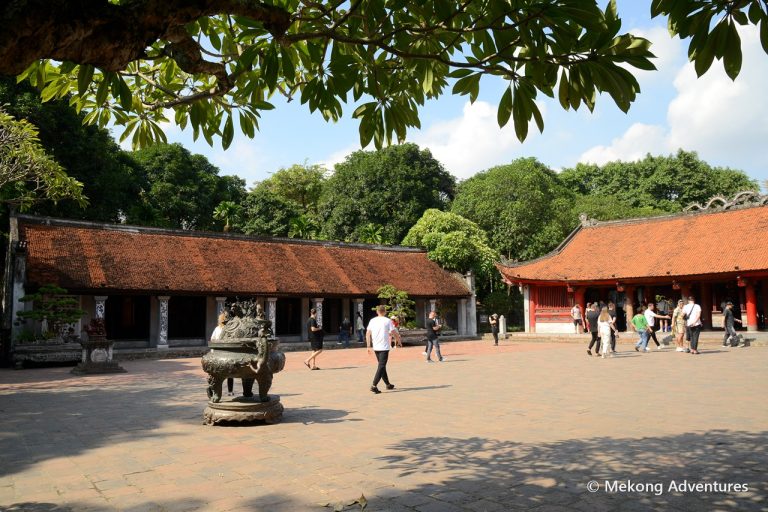
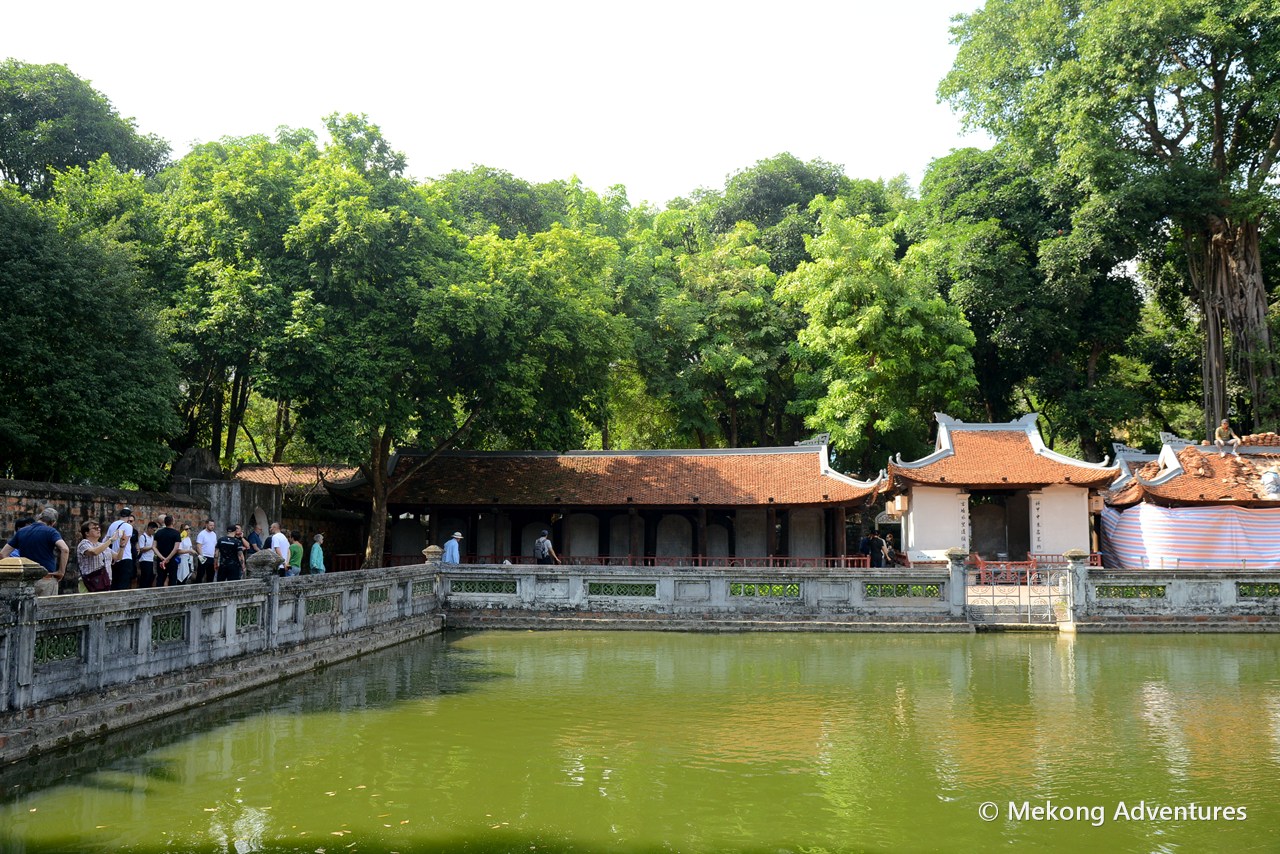
Behind the quiet courtyards of Hanoi’s Temple of Literature lies the story of Vietnam’s first university. For more than seven centuries this was where the country’s scholars studied, sat the royal examinations, and earned their place in history — their names carved into stone that UNESCO now recognises as world heritage. Here is how it all began, and why it still matters.
A temple to Confucius (1070)
The Temple of Literature — Van Mieu in Vietnamese — was built in 1070 by order of Emperor Ly Thanh Tong. It was dedicated to Confucius, his disciples and the sages of learning, and from the start it tied the young kingdom of Dai Viet to the Confucian ideals of study, virtue and good government. Hanoi, then called Thang Long, had only recently become the capital, and the temple signalled that this would be a city of scholars as well as kings.
Quoc Tu Giam: Vietnam’s first university (1076)
In 1076, Emperor Ly Nhan Tong founded the Quoc Tu Giam, the Imperial Academy, on the same grounds. At first it educated princes and the sons of high officials; over time it opened to the brightest commoners too. This was Vietnam’s first national university, and for generations it trained the mandarins who ran the country. The great teacher Chu Van An, remembered as a model of integrity, served here in the 14th century and is still honoured at the temple today.
The royal examinations
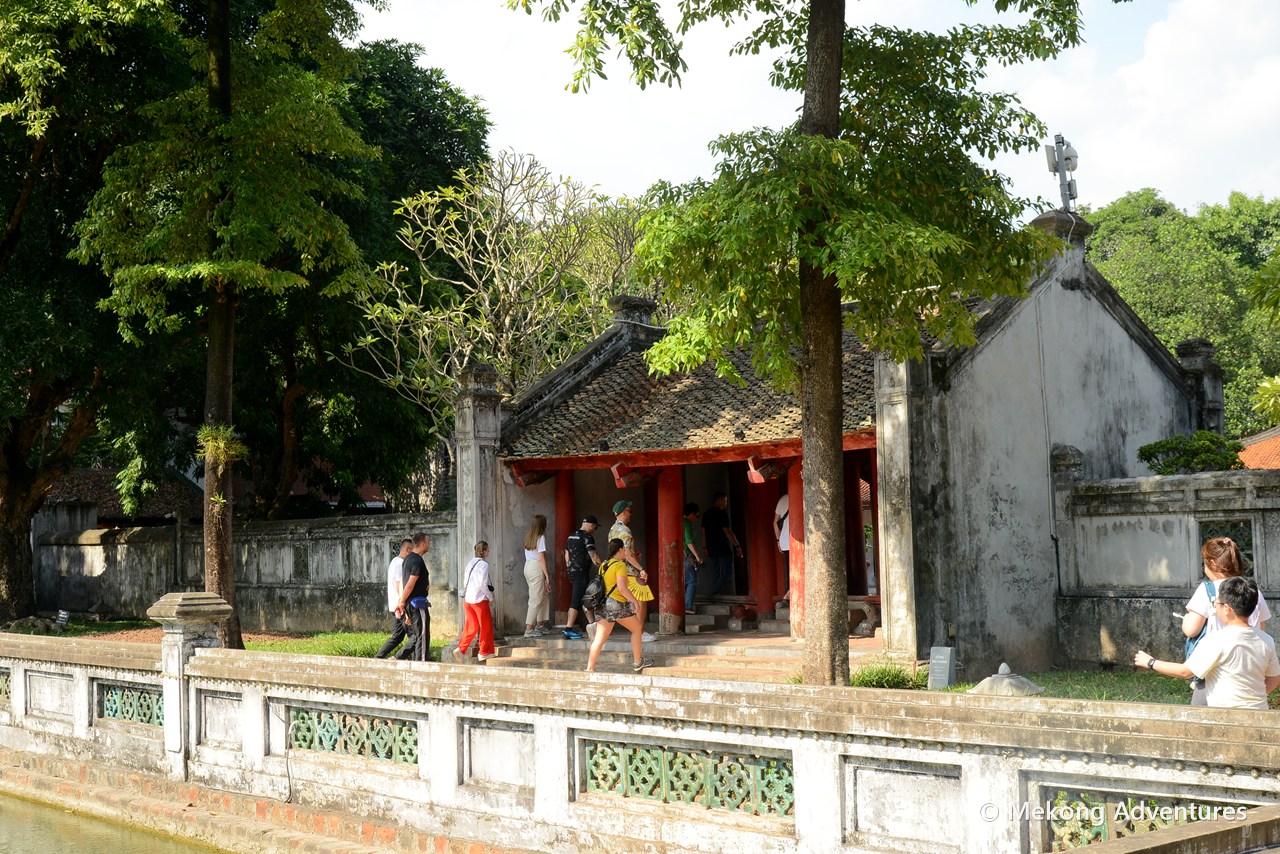
To become a mandarin, a scholar had to pass a punishing series of examinations based on the Confucian classics, history and literature. The highest degree, the doctorate, was awarded only to a handful of men after years of study. Success could lift a whole family; failure meant trying again, sometimes for decades. Those who reached the top had their achievement recorded in the most permanent way the court could devise.
The 82 doctoral stelae
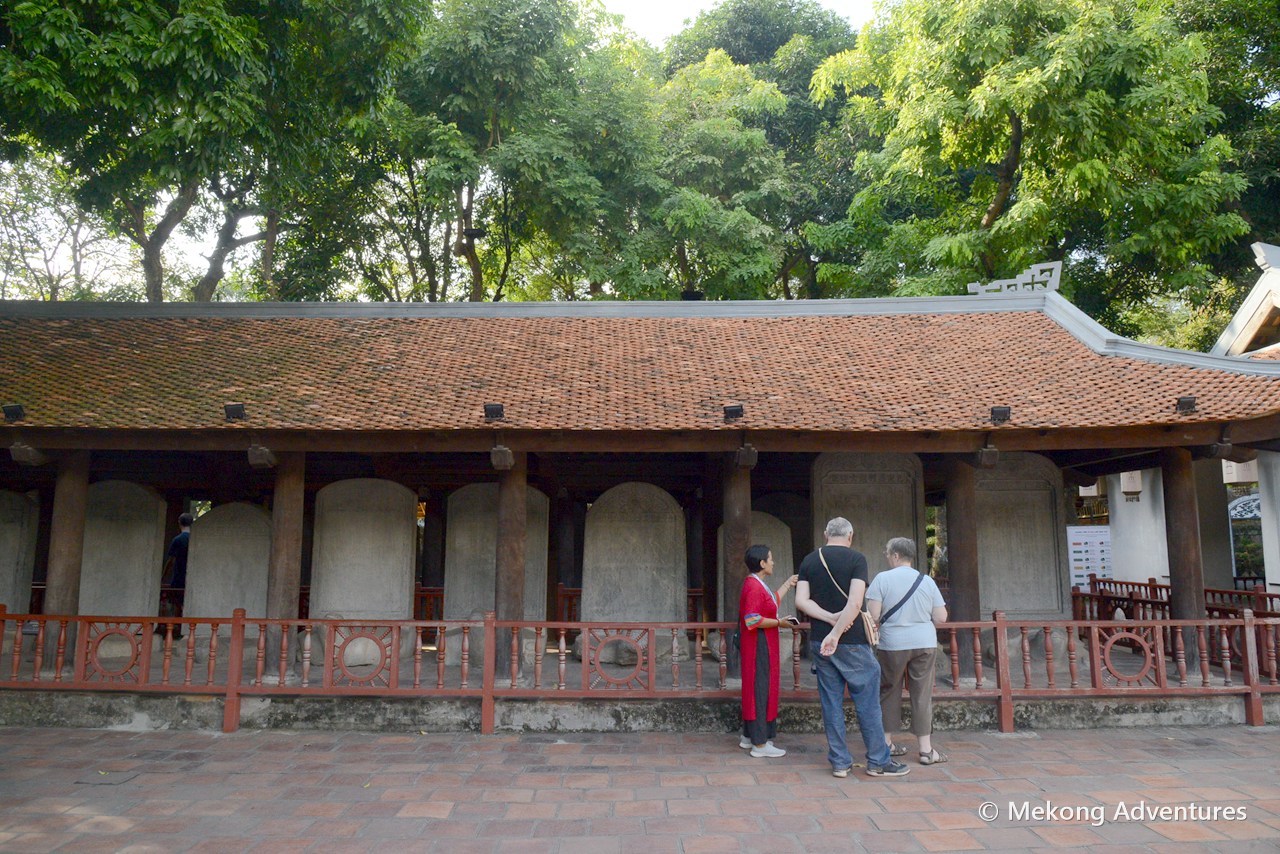
The temple’s greatest treasures are its 82 stone stelae, each resting on the back of a carved stone tortoise. The tablets record the names, birthplaces and achievements of more than 1,300 scholars who earned doctorates in the royal examinations held between 1442 and 1779. They are a roll of honour in stone — and a remarkable historical record of who studied, and where they came from, over three centuries.
In recognition of their value, the stelae were added to UNESCO’s Memory of the World Register. The tortoise beneath each tablet is no accident: in Vietnamese culture it stands for longevity and wisdom, a fitting bearer for names meant to last forever.
Decline and restoration
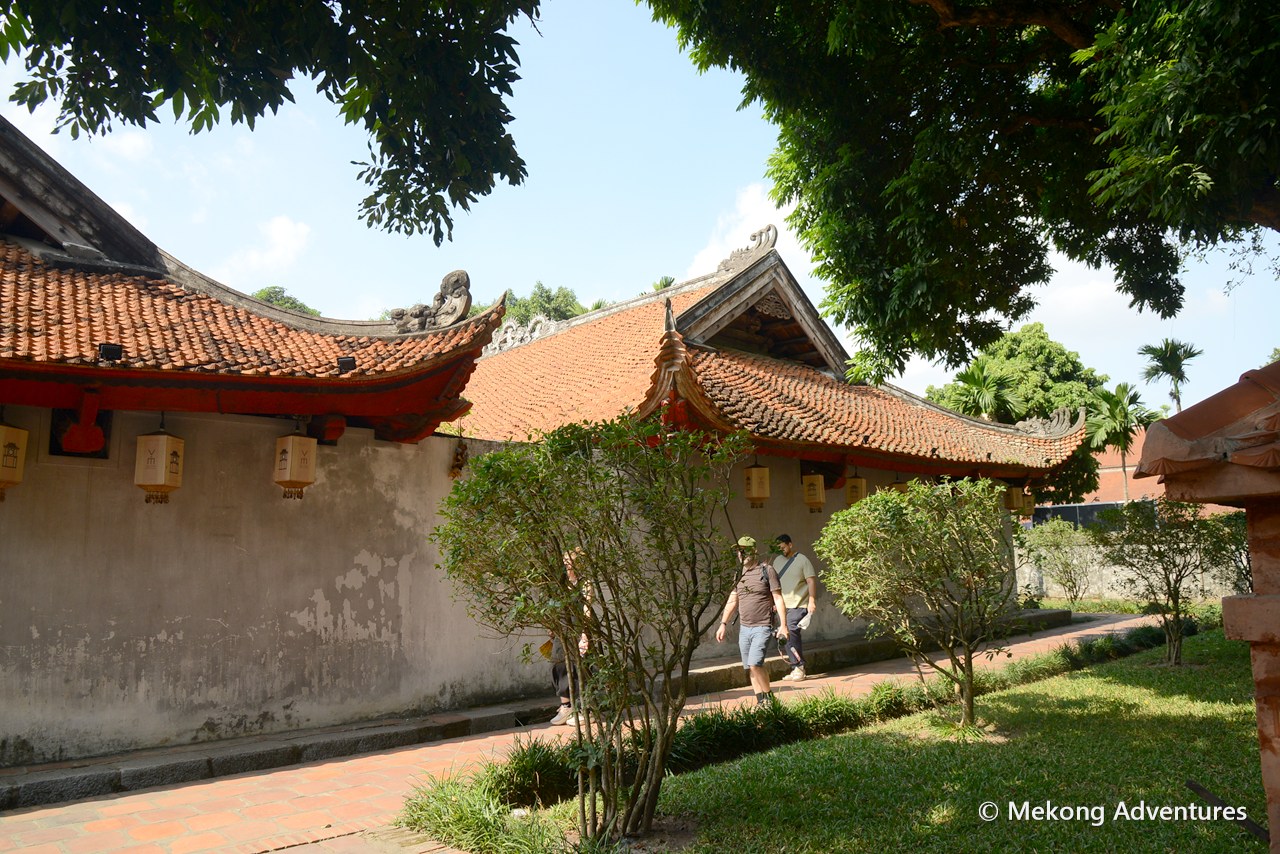
As the imperial system faded and the capital’s fortunes shifted, the academy’s role declined, and war and weather took their toll on the buildings. The Thai Hoc hall at the far end of the complex was rebuilt around the year 2000 on the site of the old academy, and the stelae and pavilions have been carefully conserved. What you see today is a restored but faithful version of a place that has stood, in one form or another, for nearly a thousand years.
Why it still matters
The Temple of Literature is more than a monument; it is a statement about what Vietnam has long valued. Students still come before exams, graduates pose here in their gowns, and the respect for learning that built the place is very much alive. To see it stop by stop, read our walk through the five courtyards, or our complete visitor’s guide for hours, tickets and how to get there.
Frequently asked questions
When was the Temple of Literature built?
The temple was founded in 1070 under Emperor Ly Thanh Tong. The Imperial Academy, Quoc Tu Giam, was added in 1076, making it Vietnam’s first national university.
Was the Temple of Literature really a university?
Yes. The Quoc Tu Giam on the grounds trained scholars for the royal examinations for over 700 years, first the sons of the elite and later talented commoners. It is considered Vietnam’s first university.
What are the 82 stelae?
They are stone tablets on tortoise bases that record the names of more than 1,300 scholars who passed the doctoral examinations between 1442 and 1779. They are inscribed on UNESCO’s Memory of the World Register.
Who was Chu Van An?
A revered 14th-century teacher known for his integrity, Chu Van An taught at the Imperial Academy and is honoured at the Temple of Literature as a symbol of principled learning.
Plan your trip to Hanoi
History comes alive when you walk it. We design private, flexible trips around Hanoi and northern Vietnam, with time to linger in places like this. Start with our Hanoi destination page, or tell us what interests you and we will send a draft itinerary and a quote within 24 hours, with no obligation.
Prefer to chat? Message us on WhatsApp.