Below the Lung Cu Flag Tower, at the northern tip of Vietnam, two villages sit side by side at the foot of Dragon Mountain: Lo Lo Chai and Then Pa. Both are built of rammed earth and clay tiles, both offer homestays, and each has its own Dragon’s Eye pond. Yet they feel quite different. If you want to spend a night near Lung Cu, which one should you choose?
This guide compares the two villages honestly, so you can pick the one that suits your trip. For a full introduction to the quieter of the two, see our Then Pa village guide.
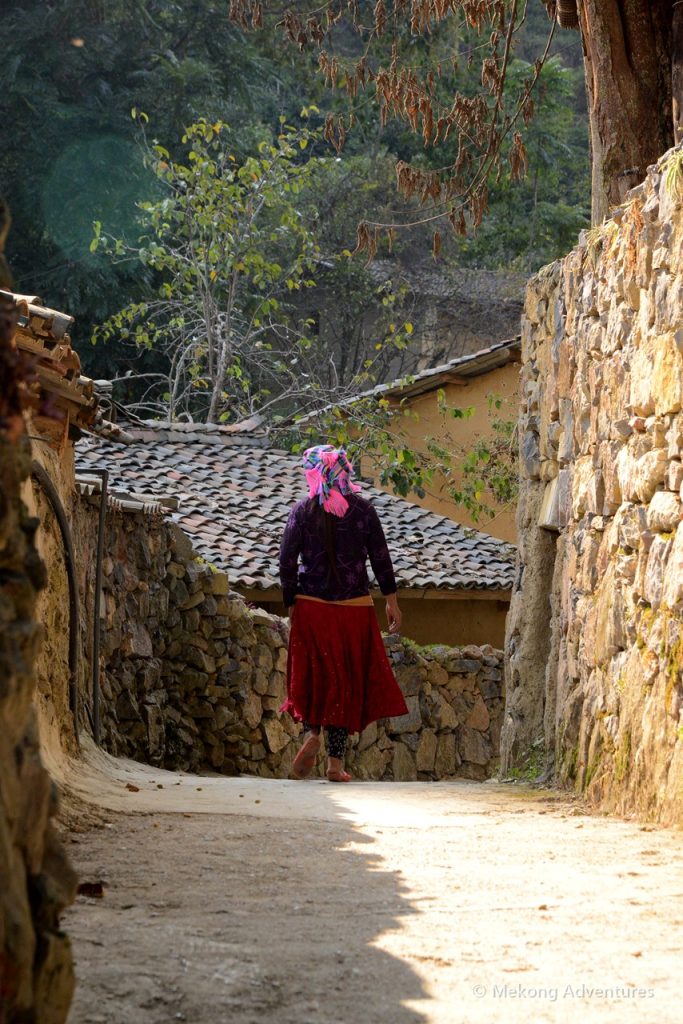
The Two Villages in Brief
Lo Lo Chai
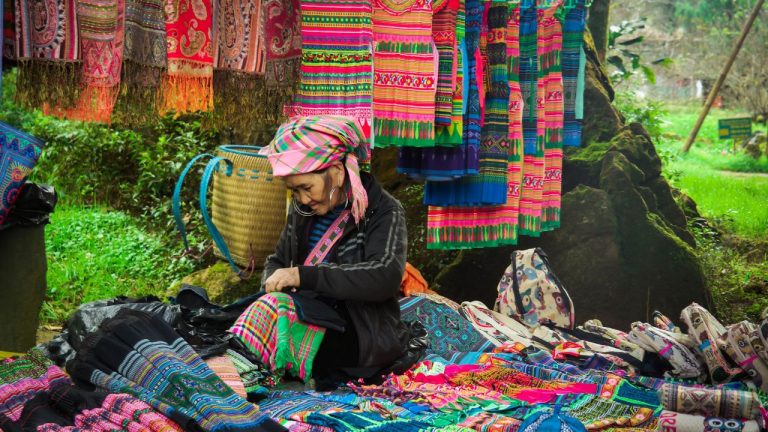
Lo Lo Chai is home to the Lo Lo people, one of Vietnam’s smaller ethnic groups, known for their colourful clothing decorated with appliqué patterns. The village has become one of the best-known community tourism villages in Ha Giang, with many restored rammed-earth homestays, cafes and small restaurants. It is lively, well organised and easy for first-time visitors.
Then Pa
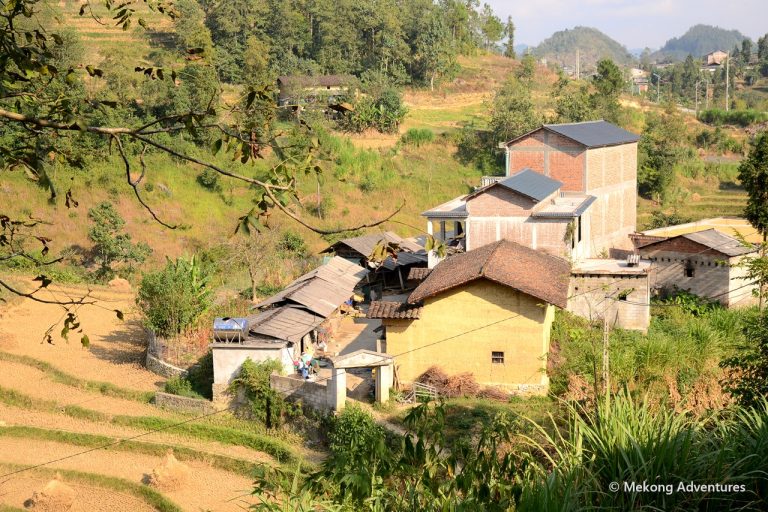
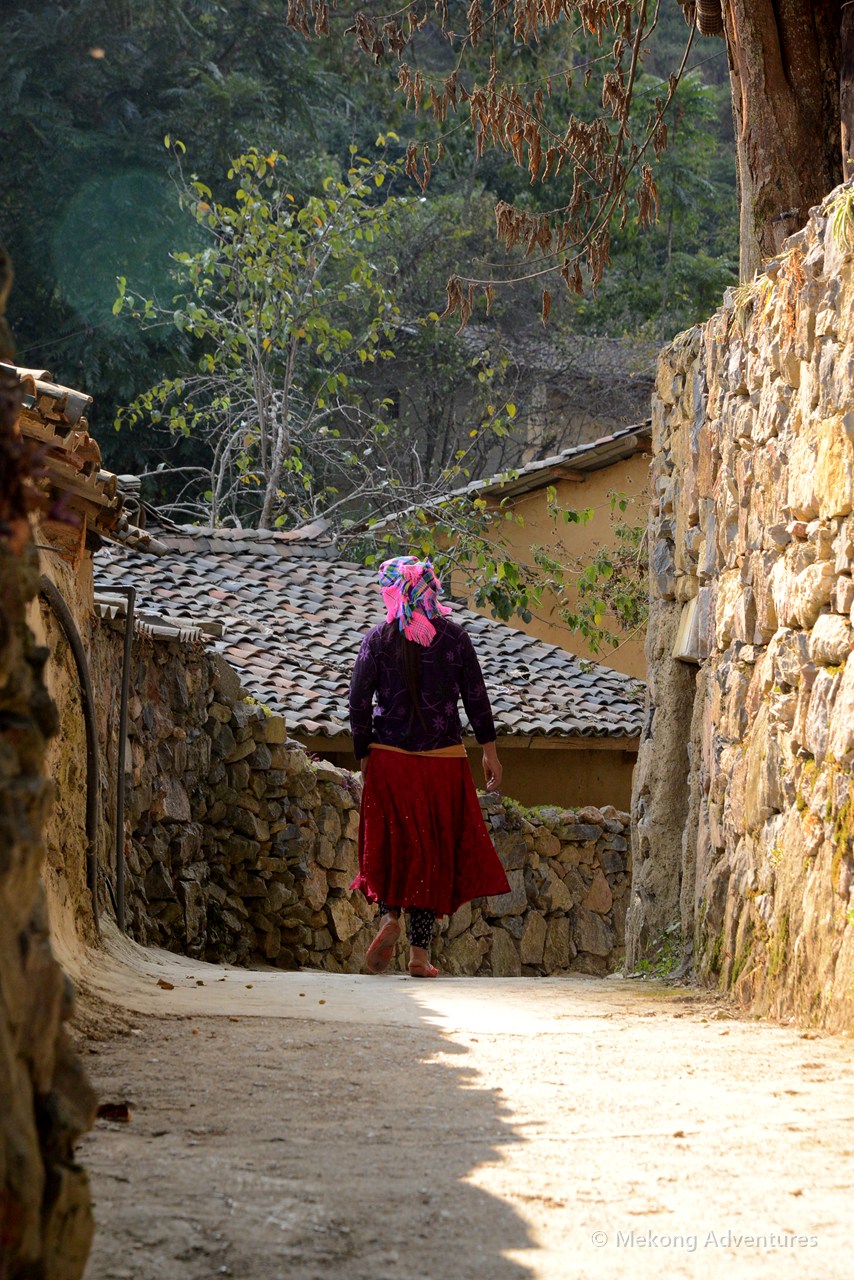
Then Pa is a Hmong village on the other side of Dragon Mountain. It has a handful of restored homestays and a small restaurant serving local dishes, but far fewer visitors. Most houses are still family homes, and the village keeps a slower, more everyday rhythm. In one corner of the village, ten households of the extended Vang family have lived for more than a century.
Side by Side
- People: Lo Lo Chai is a Lo Lo village; Then Pa is a Hmong village.
- Atmosphere: Lo Lo Chai is busier and more geared towards visitors; Then Pa is quieter and feels more like an ordinary farming village.
- Places to stay: Lo Lo Chai has more homestays and more choice; Then Pa has fewer, simpler options.
- Food and drink: Lo Lo Chai has several cafes and restaurants; Then Pa has a few, with mostly home cooking.
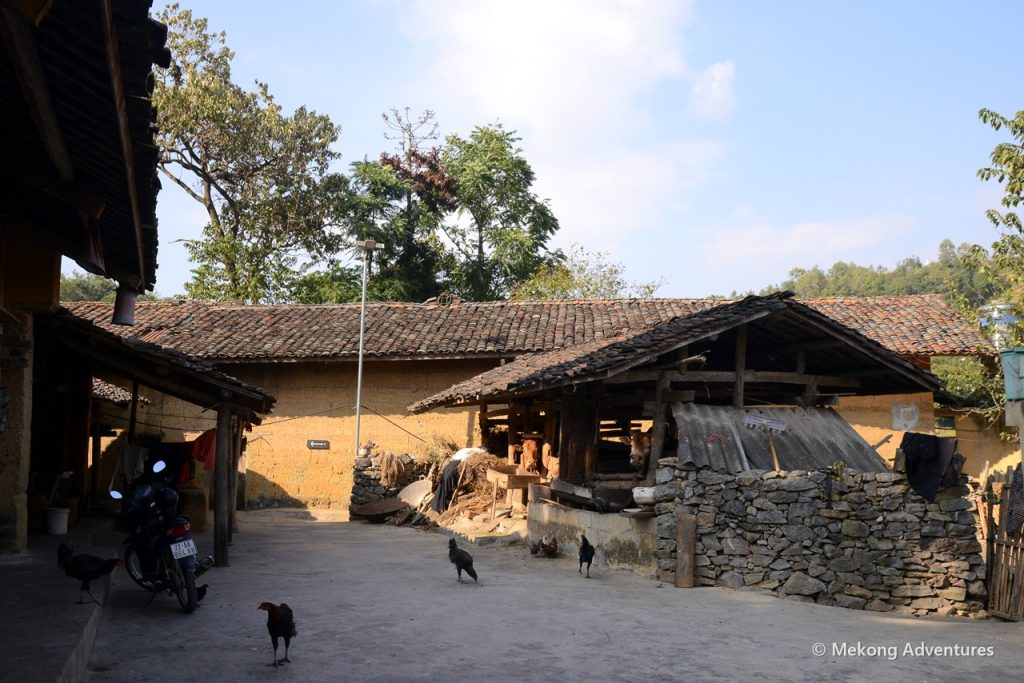
- Architecture: both have rammed-earth houses with yin-and-yang tile roofs. In Then Pa most houses keep the traditional form.
- Access to the flag tower: both are at the foot of Dragon Mountain, a short drive from the steps up to the tower.
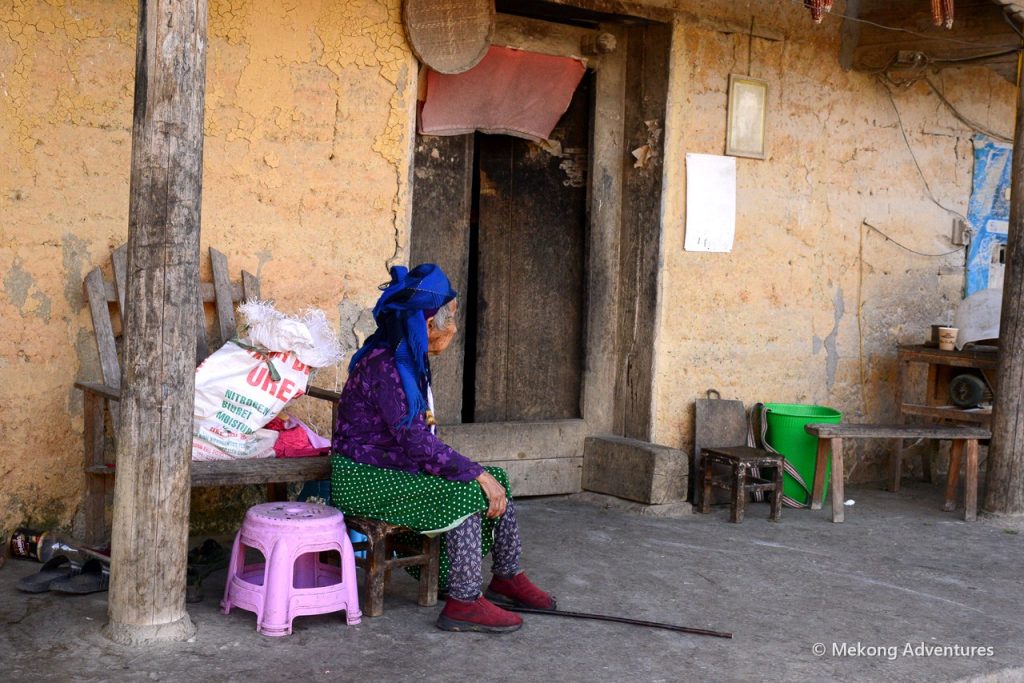
Choose Lo Lo Chai If…
- It is your first time in a highland village and you want things to be easy.
- You prefer more choice of rooms, cafes and places to eat.
- You enjoy a sociable atmosphere and meeting other travellers.
- You are interested in the culture and clothing of the Lo Lo people.
Choose Then Pa If…
- You want peace and quiet, and do not mind simpler rooms.
- You are interested in Hmong village life and want to see a village that is still mostly about farming. Read A Slow Day in Then Pa.
- You love photography and traditional architecture. See Inside a Hmong Rammed-Earth House.
- You travel in the busy autumn season and want to avoid the crowds.
Our tip
You do not have to choose. The villages are close to each other, so you can sleep in one and walk or drive to the other. A good plan is to stay in quiet Then Pa, watch sunrise from the flag tower, then visit Lo Lo Chai for a coffee later in the morning.
What to Expect From a Homestay
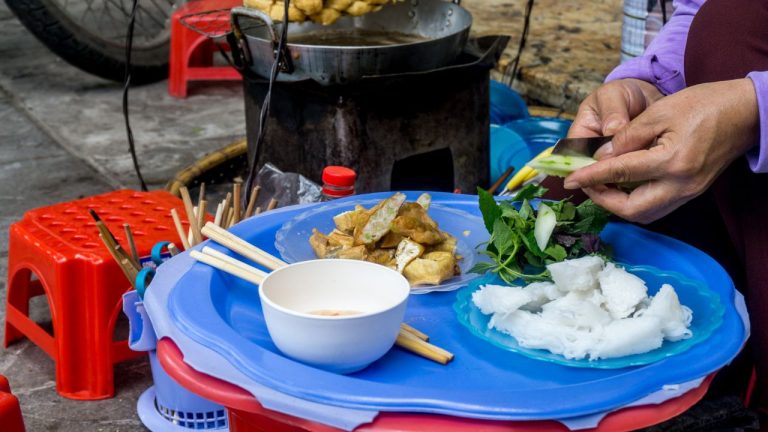
Whichever village you choose, homestays near Lung Cu are simple. Expect a restored rammed-earth house, a shared or private room with a mattress, thick blankets and a mosquito net, shared bathrooms in many places and hot water that depends on the weather and the system. Meals are usually home-cooked and eaten with the family or other guests: men men (steamed ground corn), vegetables, pork or chicken and soup, and sometimes thang co stew or black-chicken hotpot.
- Bring warm clothes for most of the year. Nights on the plateau are cold, especially from November to February.
- Carry cash. Card payments are not always possible in the villages.
- Bring a torch or use your phone light for paths at night.
- Book ahead in October and November and at weekends.
How to Visit Either Village Respectfully
- Ask before photographing people, and respect a no.
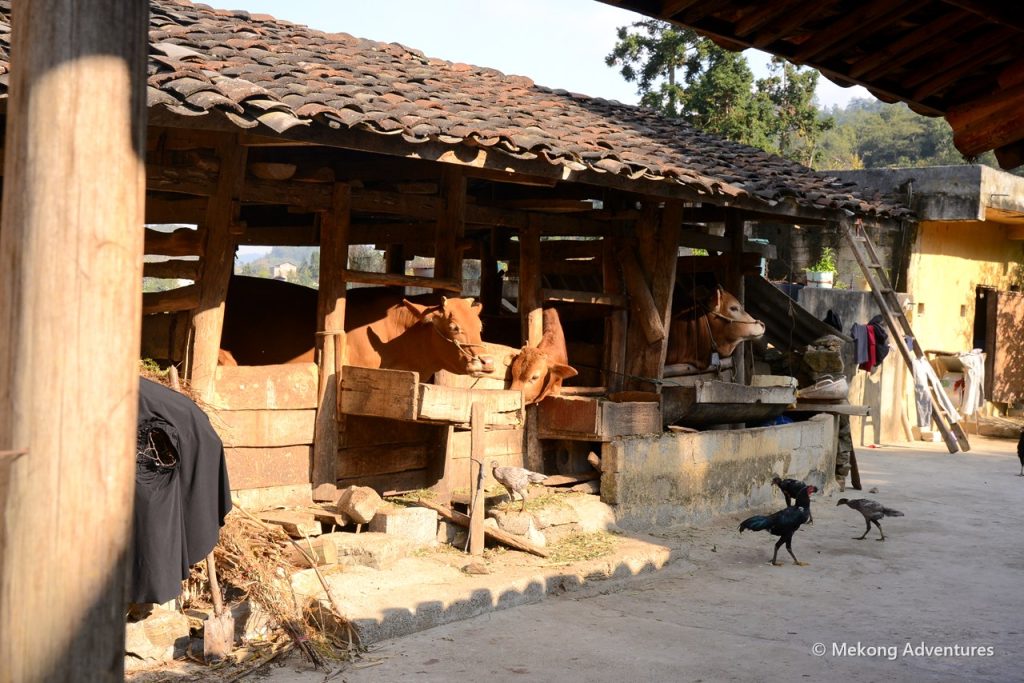
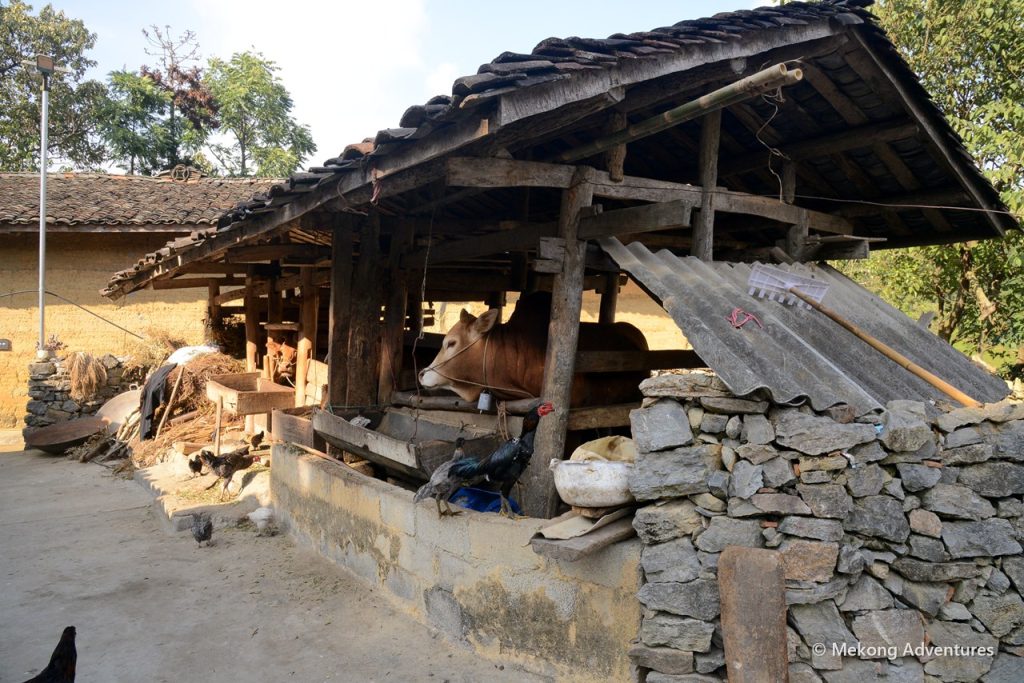
- Do not enter houses, courtyards or animal sheds unless you are invited.
- Do not give sweets or money to children. Support families by staying, eating and buying directly.
- Dress modestly and keep noise down, especially in the early morning and evening.
- Keep drones away from homes and people.
Getting There
Both villages are around 25 kilometres north of Dong Van town, close to the Lung Cu Flag Tower. Most travellers reach them on a Ha Giang Loop itinerary, by private car or on a motorbike with an easy rider. Our Ha Giang Loop by private car, 3 days and Ha Giang Loop with easy riders, 4 days both visit Lung Cu. If you would like to add a night in a village homestay, tell us when you enquire.
A Suggested One-Night Plan
- Afternoon: arrive from Dong Van or Yen Minh, check in to your homestay and walk the village lanes while the low sun lights up the earthen walls.
- Evening: dinner with your hosts, a cup of tea or a sip of corn wine by the fire, and an early night under thick blankets.
- Dawn: drive or walk to the foot of Dragon Mountain and climb the steps to the Lung Cu Flag Tower for sunrise over the Then Van valley.
- Morning: breakfast back at the homestay, then a short visit to the other village, before continuing your journey towards Dong Van, the Ma Pi Leng Pass and Meo Vac.
This plan works in both directions and fits easily into a three- or four-day Ha Giang Loop. If you have an extra day, consider a second night: it gives you time for a longer walk in the hills around the villages without rushing.
Frequently Asked Questions
Which is better, Lo Lo Chai or Then Pa?
Neither is better, they are different. Lo Lo Chai is livelier with more facilities; Then Pa is quieter and more everyday. Choose based on the atmosphere you want.
How far apart are Lo Lo Chai and Then Pa?
Both lie at the foot of Dragon Mountain below the Lung Cu Flag Tower, a short drive apart, so it is easy to visit both.
Who lives in Lo Lo Chai and Then Pa?
Lo Lo Chai is home to the Lo Lo people; Then Pa is a Hmong village.
Do I need to book a homestay in advance?
In October, November, at weekends and during Vietnamese holidays, yes. At other times it is easier, but booking ahead is still recommended.
Spend a Night Near Lung Cu
Add a village homestay in Then Pa or Lo Lo Chai to your private Ha Giang journey with a local guide.